How to Level a Yard in 7 Proven Steps - The Importance of Grading

How to Level a Yard in 7 Proven Steps – The Importance of Grading

Sometimes when you look at your yard, you see bumps, holes, or puddles. It does not look nice. Mowing is hard. Water can stay in some places. Walking can be tricky or even unsafe. Leveling a yard is not just about making it flat. You also need to make sure water flows the right way. This keeps your grass healthy and stops water from going near your house.

In this guide, you will learn 7 simple steps to level your yard. After following these steps, your yard will be smoother, safer, and easier to enjoy.

Why Yard Leveling and Grading Are Essential

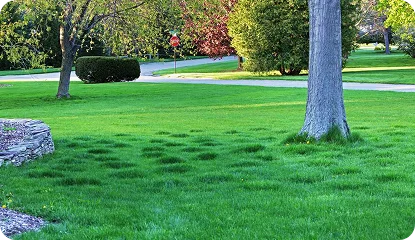
Uneven lawns don’t just look messy. They can cause small problems that grow bigger over time. If water pools in low spots, it can make the grass weak, invite bugs, or even create moss. Mowing over bumps can wear out your mower faster, and stepping on uneven ground can be annoying, or worse, risky.

Getting the slope right also protects your home. You don’t want water pooling near your foundation. Grading the yard keeps water moving the right way, away from your house, so you don’t wake up one day to a soggy basement. Even little things like making mowing easier or giving your yard a smoother look count. Once you fix it, your lawn feels calmer, cleaner, and more manageable.

Step-by-Step Guide to Leveling Your Yard

The following 7 steps help you level your yard in Canada:

Step 1: Assess Your Lawn and Plan Your Grading
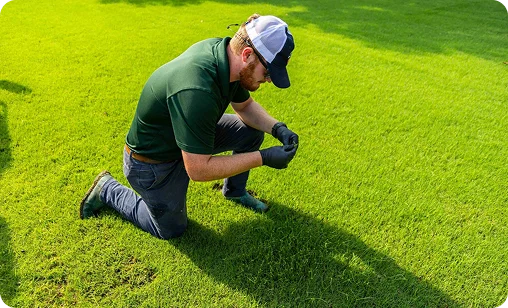
Walk around and notice everything in your lawn, such as where it dips and where it rises. You’ll probably see some spots where water sits after rain. That’s a low spot you’ll want to fill. High spots might be little bumps that make mowing a headache.

Mark the areas with stakes, or just visualize lines with a string. Measure slopes to make sure water will drain properly. This is important for how to grade the yard away from the house. You don’t want a puddle forming right where your porch meets the lawn. If you spot areas where water flows toward the house, that’s a negative slope you’ll need to fix. Don’t worry if it feels a little confusing at first; seeing it visually helps a lot.

Step 2: Remove Debris and Prepare the Surface
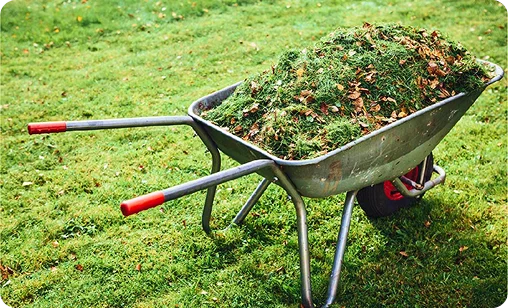
Before you start piling soil around, clear the area. Rocks, sticks, broken toys, and old grass patches need to go. Mow your lawn lower than usual so you can see the unevenness clearly. This step is more about seeing the problem than doing heavy work. If the soil is hard, give it a little aeration. Just poke some holes in compacted areas to make it easier for your new soil to settle. A small trowel, fork, or even a garden spike works fine.

Step 3: Fill Low Spots

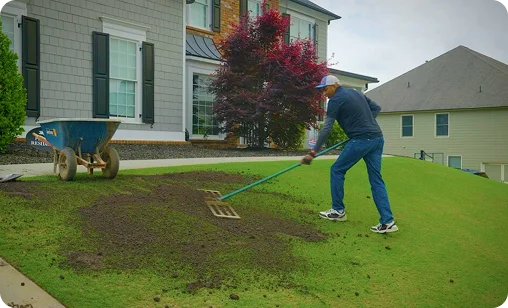
Now it’s time to fix the dips. You can use sand, topsoil, or a mix, depending on your lawn. People often ask about sand vs topsoil for leveling a lawn. Sand drains fast but doesn’t hold nutrients. Topsoil is better for grass but drains more slowly. Usually, a mix works best. Add soil in small layers rather than dumping it all at once. Pat it down lightly and water it. Watching it settle a bit will show if you need more. 

Step 4: Level High Spots

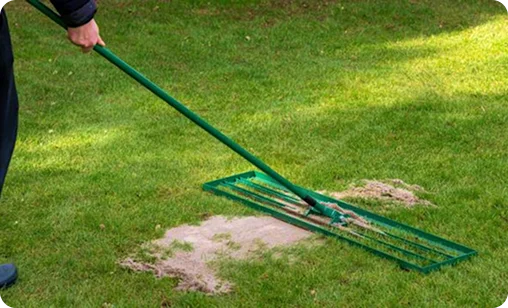
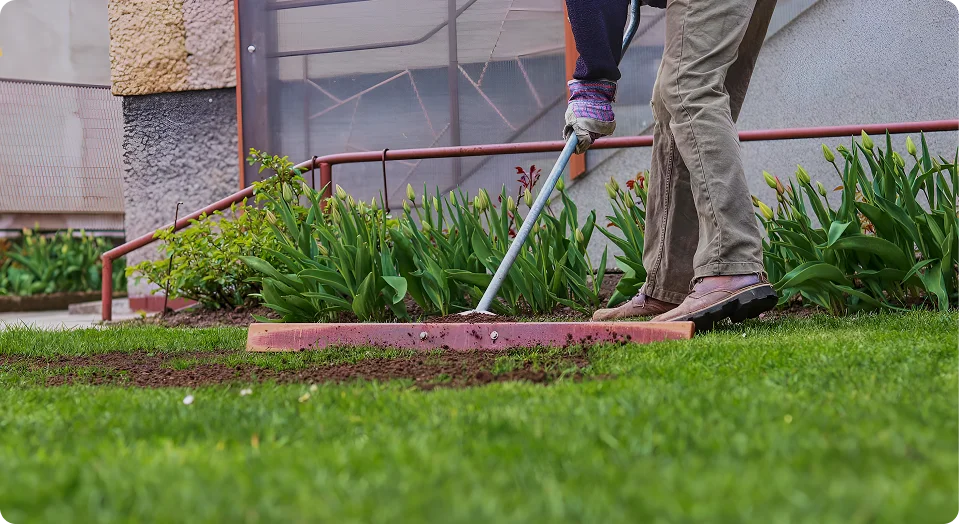
If there’s too much soil in one place, scrape it off and redistribute it to the low spots. The goal isn’t perfection; it’s about smoothing the yard so you don’t walk over lumps or get weird puddles. Run your hand or a rake over the soil to blend it naturally.  You just want a surface that’s even enough to mow and walk on.

Step 5: Grade for Proper Drainage

Grading is where you make sure the water goes where it should. Most yards should slope slightly away from the house, about a quarter inch per foot. This is how to grade yard away from the house. Even a small slope keeps water moving and prevents future puddles.

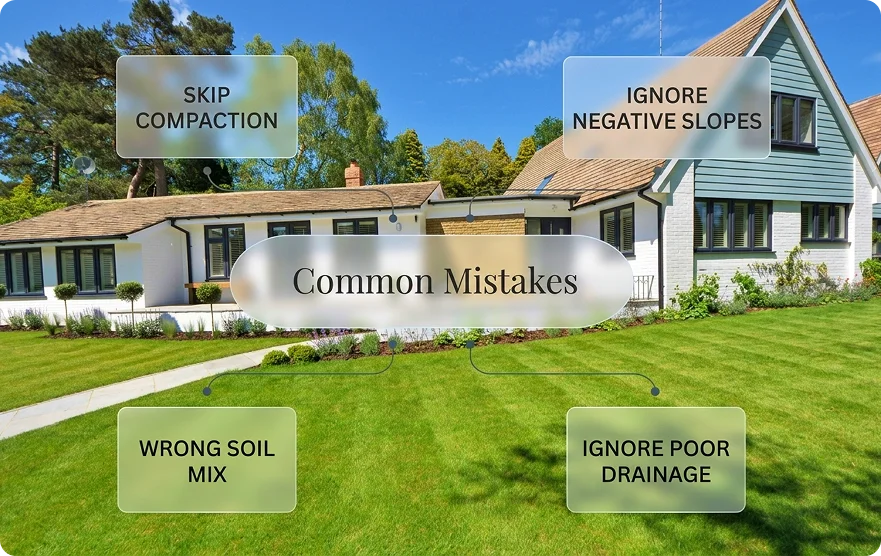
If you have areas where water keeps pooling, that’s a negative slope. You can fix it by moving soil from one place to another or digging a little trench. You’ll see improvement quickly if you pay attention to these slopes. It’s one of those small fixes that pays off big later.

Step 6: Compact the Soil

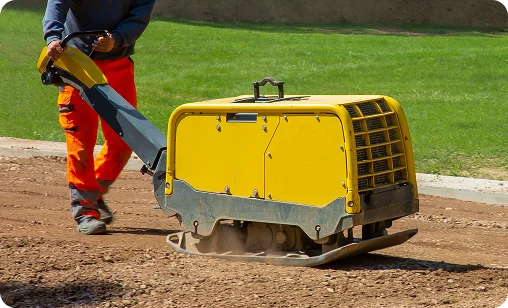
After spreading and grading, the soil should be lightly compacted. Not rock hard, just firm enough that it doesn’t sink when you walk on it. You can use a lawn roller or just step on it carefully in small sections. Overdoing it can make the soil crusty and hard for new grass to grow. Check with a long board or straightedge to see if it feels even enough.  

Step 7: Reseed plants

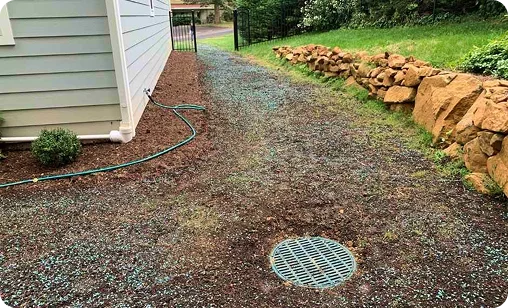
Once the soil is even and firm, it’s time to bring life back. Spread grass seed or lay sod over your leveled areas. Water it gently so it settles in without washing away. For seeds, a thin layer of mulch or straw helps keep them in place and moist. Sprinkle a little extra soil mix over the top to fill tiny dips and help the grass grow evenly. Keep it damp for a week or two until the grass starts to pop up. Your yard is ready to enjoy again.

Special Tips for Specific Yard Areas

How to Level Ground for Raised Garden Beds

Raised beds need a stable base. Start by clearing the ground of rocks and weeds. Mix sand and topsoil for a solid foundation so the bed won’t settle unevenly. A slight slope helps water run off instead of sitting at the bottom. This step makes planting much easier and keeps your veggies from drowning.

Fixing Standing Water in the Backyard

Low spots collecting water can be frustrating. Identify exactly where the water stays, add soil, and grade the area gently. You’ll want it to slope slightly toward drainage points. Doing this correctly is another example of how to grade a yard away from the house. Even a few inches of adjustment can save you from soggy shoes and muddy patches.

Choosing the Best Dirt for Grading the Yard

Not all dirt is equal. For best results, choose topsoil with a little sand. It drains well but still lets grass grow strong. Avoid heavy clay soil that traps water and creates new puddles. Mix soil gradually into low spots and high spots, keeping it smooth. This is the best dirt for grading a yard if you want a simple, effective fix.
Hiring Professionals

Some yards are just too big or tricky to DIY. Professionals can grade precisely and move soil without the trial-and-error that takes longer. It costs more, yes, but if you want less sweat and more accuracy, it’s worth considering. Even a consultation can help you see where your yard needs attention. In Canada, Harry’s Lawn Care guides people on where their lawn needs care and how to grade their yard to get a smooth, healthy lawn.

Conclusion

Fixing bumps, holes, and drainage problems in your yard makes a big difference. A leveled yard is easier to mow, safer to walk on, and helps grass grow stronger. You do not need to make it perfect. Small fixes and checking slopes over time keep your yard even. If your yard is large or tricky, Harry’s Lawn Care can guide you and help with grading and leveling. By following the 7 steps, you can have a yard that looks nice and works well all year. Your lawn will be smooth, healthy, and ready to enjoy.

How do I grade a yard away from the house?

First, watch where rainwater goes. If it moves toward the house, that’s a problem. Add soil near the house and shape the ground so water moves away. When learning how to grade a yard away from the house, slow work is better. Small slope changes help a lot.

Is top dressing lawn to level it a good idea?

Yes, it works for small low spots. Topdressing a lawn to level it means adding thin soil layers, not thick piles. Grass can grow through it if you don’t rush. Do it slowly and check the ground after rain.

What helps fix standing water in backyard areas?

Find the spot where water stays after rain. Fill it with soil and shape the area so water can move away. Fixing standing water in the backyard usually means fixing the slope, not adding more water paths.