
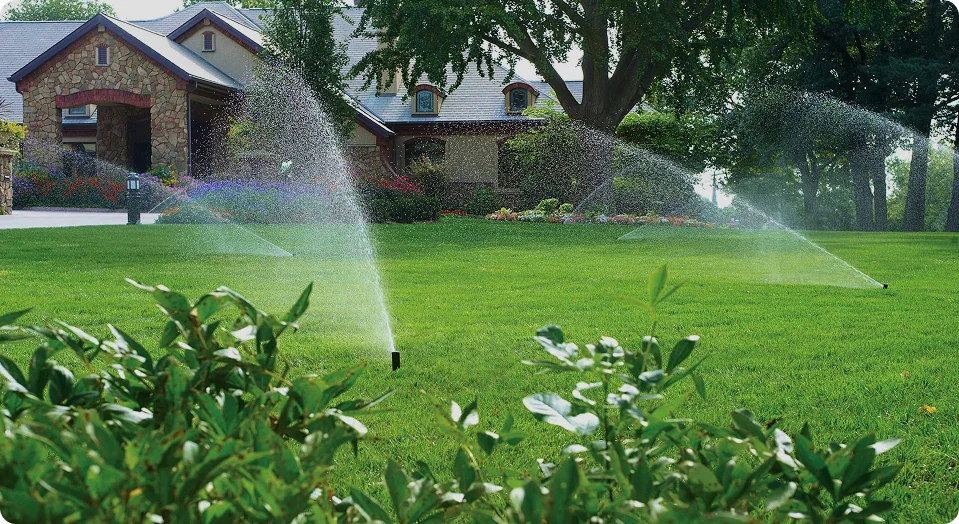
Living in Canada means dealing with strange weather. One day it rains a lot. A few days later, the ground feels dry again. Sometimes summer is hot, and sometimes it feels cool for weeks. Lawns and gardens feel all weathers. Many people use a normal lawn irrigation system with a timer. It turns on at the same time every day. It does not care if it rained last night or if the soil is still wet. This causes water wastage and plant stress.
A smart irrigation system works differently. It looks at the weather and soil before watering. It waters only when needed. This helps save water and keeps plants healthy. This blog explains how to create a smart irrigation system that can handle Canadian weather without making things confusing.
A smart irrigation system works differently. It looks at the weather and soil before watering. It waters only when needed. This helps save water and keeps plants healthy. This blog explains how to create a smart irrigation system that can handle Canadian weather without making things confusing.
Smarter Watering Starts Here
Stop wasting water—get a system that adapts to real weather conditions
What Is an Irrigation System and How Does It Work?
A water irrigation system moves water from a source to plants. Pipes or hoses carry water. Sprinklers or drip lines spread it on the ground. In a simple system, a timer controls everything. When the time comes, water flows. It does not stop for rain or cold weather. This is why many lawns get too much water.
Lawn vs. Garden Irrigation Systems
A lawn irrigation system usually uses sprinklers. It covers large open areas. A garden irrigation system is smaller and slower. It often uses drip lines close to the roots. Both systems are part of one water irrigation system, but they need different watering times. Smart systems help manage both without manual changes.
Cost to Install a Smart Lawn Irrigation System in Canada
A DIY lawn irrigation system costs less at the start. You pay for parts and time. Professional installation costs more but saves effort. The cost to install a lawn irrigation system depends on lawn size, zones, and smart features. More sensors increase cost but improve efficiency.
Why Smart Lawn Irrigation Systems Matter in Canada
Canada has long winters and short summers. Spring brings heavy rain. Summer can turn dry fast. Fall cools down quickly. These changes confuse regular irrigation systems. A timer-based water system irrigation setup keeps watering even when it should not. This causes soggy lawns, wasted water, and higher bills. In cold weather, it can also damage pipes. Smart systems reduce these problems by reacting to real conditions.
What Makes a Smart Water Irrigation System “Smart”?
The following two qualities of an irrigation system make it smart:
1.
Predictive Watering
Predictive watering means the system checks the weather and soil first. If rain is coming, it waits. If the soil is wet, it skips watering. This is better than a fixed timer.
2.
Sensors, Connectivity, and Automation
Sensors sit in the soil and measure moisture. Weather data comes through Wi-Fi. The controller makes a simple choice. Water or stop. This is the basic idea behind how to create a smart irrigation system.
Key Components of a Smart Irrigation System
The following are the key components of a smart irrigation system:
Soil Moisture and Weather Sensors
Capacitive soil sensors usually last longer. They work well even when the soil stays wet. They also do not rust easily. When you place them near the plant roots, the readings make more sense.
Controllers and Microcontrollers
The controller runs the system. Some people buy smart controllers. Others build a diy lawn irrigation system using ESP8266 or Arduino boards. These allow custom control and Wi-Fi access.
Valves, Pumps, and Sprinklers
Valves control when water starts and stops. Pumps help move water from a tank or well. Sprinklers spread water over the lawn. Drip lines are used for garden plants. Most smart irrigation systems use all these parts together.
Irrigation System Backflow Preventer
An irrigation system backflow preventer stops dirty water from flowing back into clean water lines. Many cities require this. It protects drinking water and avoids legal problems.
Don’t Want to Handle All These Components?
Let professionals design and install the right system
for your lawn
How to Create a Smart Lawn Irrigation System
You can create a smart irrigation system by yourself in the following ways:
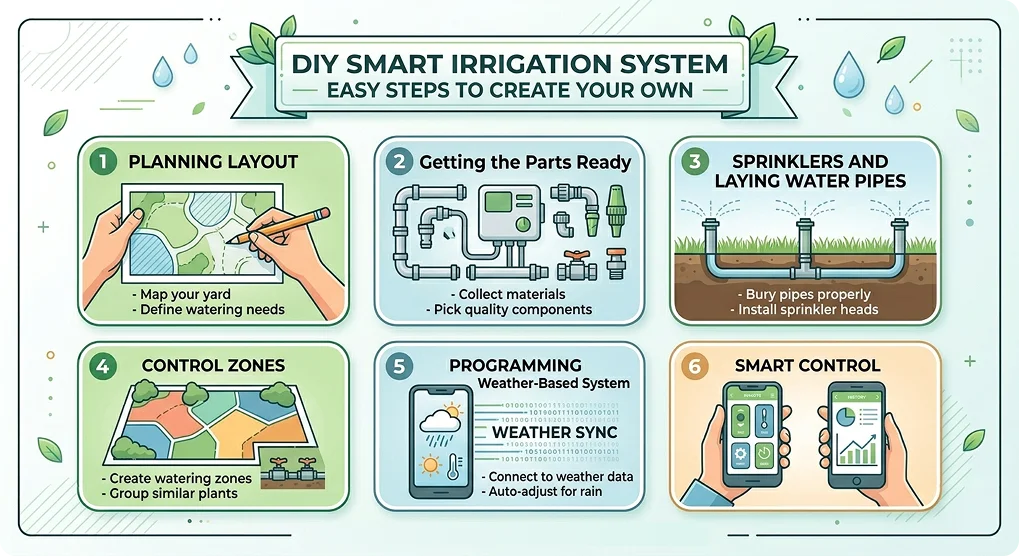
- Planning Layout
- Getting the Parts Ready
- Sprinklers and Laying Water Pipes
- Control Zones
- Programming Weather-Based System
- Smart Control
Let’s explain each point in detail for better understanding:
Planning Layout
Every DIY lawn irrigation system starts with planning. Measure your lawn. Notice sunny and shaded areas. Soil type also matters.
Getting the Parts Ready
The soil sensor connects to the controller’s analog pin. A relay connects to a digital pin and controls the pump or valve. Once wired, the system is stable.
Sprinklers and Laying Water Pipes
Sprinklers need proper spacing. Too close causes puddles. Too far causes dry spots. Water lines should be deep enough to avoid freezing.
Control Zones
Zones separate lawn and garden areas. Each zone has its own schedule. Smart controllers handle zones easily.
Weather-Based System
The controller checks soil moisture first. Then it checks the weather forecast. If rain is expected, it does nothing. If the soil is dry and no rain is coming, it waters.
Smart Control
Apps like Blynk or Home Assistant show data on your phone. You can see soil moisture and pump status. It helps you trust the system.
DIY Taking Too Much Time?
Save hours and avoid mistakes with a professionally installed system
Adjusting a Smart Irrigation System to Canadian Weather
A smart irrigation system adjusts itself according to Canadian weather in the following ways:
Managing Heavy Rain and Spring Conditions
Spring rain can soak the ground for days. Smart systems pause watering to plants during rain. This prevents flooding and soil damage.
Handling Summer Heat and Drought
In hot weather, short watering cycles work better. This allows water to soak in slowly. It reduces runoff on hard soil.
Fall Cooling and Freeze Protection
When the weather starts to cool, the system waters less. As freezing weather comes, it turns off fully. This helps to save pipes and valves from damage in winter.
Adapt to Different Soil Types
Clay soil can retain water for a long time. Sandy soil lets water pass quickly. A smart system changes watering time based on what the soil sensor shows.
Common Mistakes
The following are the common mistakes that people usually make while creating a smart irrigation system for lawns:
Ignoring Local Weather Data
Local weather changes fast in Canada. Generic forecasts cause wrong watering decisions.
Poor Sensor Placement
Sensors placed too shallowly give wrong readings. Root-level placement works better.
Skipping Seasonal Adjustments
Even smart systems need small changes during the year. Ignoring this reduces performance.
Conclusion
A smart irrigation system does not need daily attention. It works quietly in the background. It waters plants when needed and stays off when it should. Over time, lawns look better, gardens grow stronger, and water use feels more controlled. It is not perfect, but it works with the weather instead of against it. In Canada, Harry’s Lawn Care helps people install a smart irrigation system to make their lawns evergreen throughout the year.
Ready for a Smarter Lawn?
Save water, reduce bills, and keep your lawn healthy all year
Frequently Asked Questions
1.
What is a smart irrigation system?
What is a smart irrigation system?
A smart irrigation system waters plants only when they need it. It does not turn on at the same time every day. It checks the soil and weather first. If the ground is wet, it stays off. If rain is coming, it waits. This helps save water and keeps plants from getting weak.
2.
Can I make a DIY lawn irrigation system on my own?
Can I make a DIY lawn irrigation system on my own?
Yes, you can make one yourself. Many people build a diy lawn irrigation system at home. You need a controller, a soil sensor, and a valve. It may take time to learn. You may make small mistakes. That is normal. Start with one small area and test it first.
3.
Will a smart irrigation system work in winter?
Will a smart irrigation system work in winter?
No, it should not run in winter. When the weather gets cold, water inside pipes can freeze. This can break the system. Before winter starts, the system should be turned off. Pipes should be emptied. Smart systems help by reminding you when it is time to stop watering.
40.
What is the cost to install a lawn irrigation system?
What is the cost to install a lawn irrigation system?
The cost to install a lawn irrigation system depends on a few things. Lawn size matters. The number of zones matters. DIY systems cost less but take more effort. Hiring a professional costs more but saves time. There is no one fixed price.
5.
Do I need to check the system after it is installed?
Do I need to check the system after it is installed?
Yes, sometimes. Even smart systems are not perfect. Sensors can move. The weather can change. Checking once in a while helps make sure everything still works right. It does not take much time.