Sometimes, you look out at your lawn and notice a few little green invaders creeping in. A dandelion or a patch of crabgrass there. At first, you think, “It’s just a few weeds,” but next thing you know, they’ve taken over, and your lawn looks patchy and tired. The good news is that with some simple strategies, a bit of timing, and the right approach, you can keep weeds under control and your lawn healthy. A mix of stopping weeds before they start and dealing with the ones already there usually works best. This guide will help you understand simple ways to manage weeds.
What Are Lawn Weeds?
Weeds are basically just plants that grow where you don’t want them. They steal nutrients, water, and sunlight from your grass. A few weeds aren’t a big deal, but if you ignore them, they spread quickly. They can make your lawn thin and patchy and sometimes even invite pests. That’s where weed removal, lawn care, and weed treatment for lawns come in. Harry’s Lawn Care usually tells people to keep an eye out early, because catching weeds when they’re small is so much easier.
Common Canadian Lawn Weeds
Broadleaf Weeds
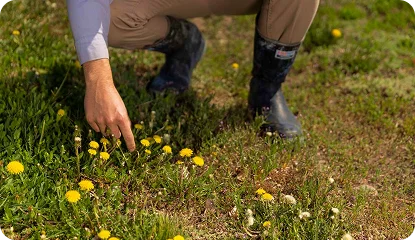
Dandelions, clover, and plantain are some of the usual suspects. Clover can be a bit stubborn, which is where clover in lawn removal tips is helpful. Broadleaf weeds like these usually need selective treatments, either with a hand tool or a lawn care weed killer.
Grass-Like Weeds
Crabgrass and foxtail fall into this group. Crabgrass can pop up almost anywhere in the summer, especially in thin spots of grass. Using a crabgrass treatment or pre-emergent at the right time can keep it from taking over. These weeds grow fast, so skipping early prevention usually means more work later.
Invasive Species
Japanese knotweed is the serious one. It spreads aggressively and can even damage driveways and foundations if left unchecked. That’s where japanese knot weed removal and knotweed removal strategies come in. It’s a different ball game compared to normal weeds, so it needs careful handling.
What are pre-emergent prevention strategies for lawns?
Stopping weeds before they even appear is usually easier than chasing them after they grow. That’s where pre-emergent herbicides come in. They create a kind of invisible barrier in the soil that keeps weed seeds from sprouting.
What Is a Pre-Emergent Herbicide?
Think of it as a stop sign for weed seeds. It doesn’t kill weeds that are already growing, but it stops new ones from popping up. Homeowners can use pre-emergent for lawns, yard pre-emergent, or weed pre-emergent for lawns to manage this. Harry’s Lawn Care often explains it as “laying down a little invisible fence” that the weeds can’t cross.
Timing by Soil Temperature
The tricky part is timing. It’s not about the date on the calendar; it’s about soil temperature. In spring, you want to apply when the soil hits about 50–55°F (10–13°C) for a few days. This usually stops summer annuals like crabgrass (crabgrass treatment). In the fall, aim for about 70°F (21°C) to prevent winter annuals from getting a start. Doing it too early or too late can make the treatment less effective.
Natural Alternatives
If you live in provinces like Ontario or Quebec, there are strict bans on some cosmetic pesticides. In those cases, Corn Gluten Meal is a good natural option. It slows root development in germinating seeds. Some people also use mulching or overseeding thin spots to crowd out weeds naturally.
Application Tips
Spread it evenly. Uneven coverage can leave gaps where weeds sneak through. After applying, water about half an inch to an inch to activate the product.
What are post-emergent or targeted removal strategies?
Once weeds are already growing, you need targeted removal. This is about killing or removing the weeds you see without damaging the grass you’ve been working to keep healthy.
Herbicides
Iron-based herbicides are used for the removal of broadleaf weeds, such as clover and dandelions. They target the weeds but leave the grass undamaged. Homeowners can look for products that are safe in Canada and follow label directions carefully.
Manual Extraction
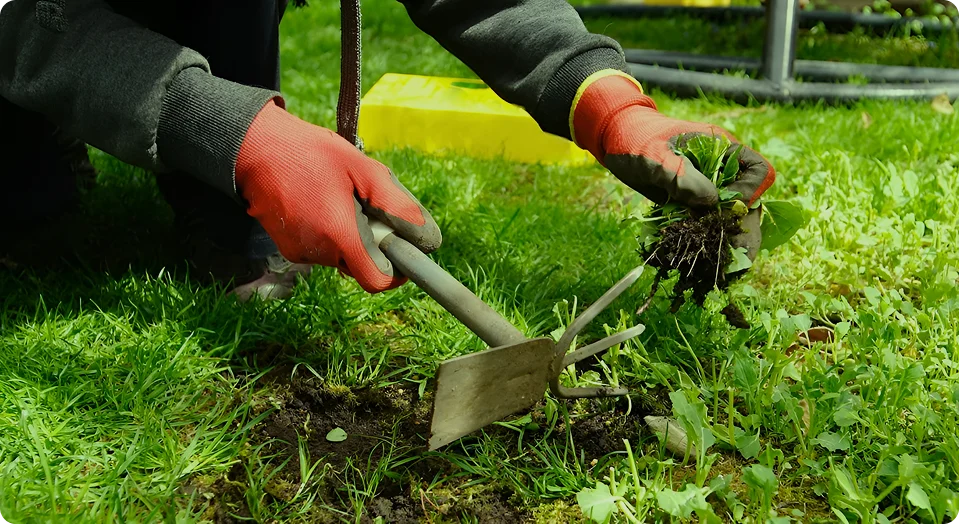
Pulling weeds by hand is simple but works best when the soil is moist. After rain or watering, you can get the roots out more easily. For deep-rooted weeds like dandelions, a hand weeder or long-handled tool helps prevent regrowth from leftover roots.
Natural Spot Treatments
White vinegar can kill small, young weeds if you target them directly. Boiling water works too, especially for weeds in cracks on sidewalks or driveways, but it will kill anything it touches, so avoid pouring it on your lawn.
Invasive Species Removal
Japanese knotweed needs a careful approach. You can’t just pull it out and hope it’s gone. Following approved methods for japanese knot weed removal or knotweed removal is critical, otherwise it comes back stronger.
Why is regular lawn care important to prevent weeds?
A thick, healthy lawn is the best defense against weeds. A few simple habits make a big difference.
Mowing Height
Keep your grass at about 2.5–3 inches (7–8 cm). Taller grass shades the soil, making it harder for weed seeds to get the light they need. It’s a small change, but it really helps over time.
Overseeding
Thin or bare spots invite weeds. Overseeding these areas in spring or fall thickens your lawn, giving weeds less room to grow. Harry’s Lawn Care usually tells clients that a few minutes of overseeding each season saves hours of weeding later.
Proper Irrigation
Water your lawn well, but don’t do it too often. About an inch of water a week is enough. If you water just a little all the time, the grass roots stay shallow, and weeds can grow easily. Deep watering helps grass grow strong roots. Strong roots make it harder for weeds to take over.
Lawn Fertilization and Aeration
A thick, healthy lawn can fight weeds on its own. Aeration, which means making small holes in the soil, helps roots grow better and reduces hard, compact soil. Doing a few things together gives your lawn a strong natural defense. Weeds will have a much harder time growing in a healthy yard.
What are the Canadian rules about lawn chemicals?
Canada has rules about what chemicals you can use on your lawn. It’s important to know them before you start spraying anything.
Cosmetic Pesticide Bans
In some parts of Canada, you cannot use certain lawn chemicals just to make your yard look better. Provinces like Ontario and Quebec have strict rules; various products, such as 2,4-D, are not allowed for cosmetic/domestic lawn purposes. So before you spray anything, it’s good to check the rules in your area. If you ignore them, you could get fined. These rules are there to protect the soil, water, pets, and kids playing outside.
Label Requirements
When you buy a weed product, don’t skip the label. Take a minute and read it. Make sure the product is approved for home lawns in Canada. You can also check the Health Canada website to be sure. The label tells you how much to use and how to use it safely.
Common Mistakes
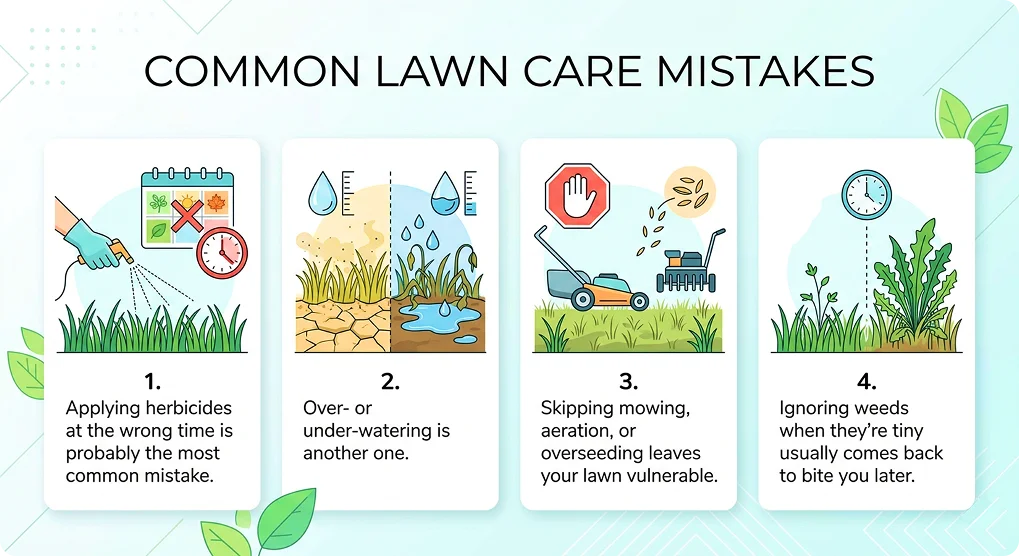
Small mistakes in lawn care can cause bigger problems. Weed control is not only about using the right product. It is also about when and how you care for your grass.
- Applying herbicides at the wrong time is probably the most common mistake.
- Over- or under-watering is another one.
- Skipping mowing, aeration, or overseeding leaves your lawn vulnerable.
- Ignoring weeds when they’re tiny usually comes back to bite you later.
Conclusion
You can get a strong, healthy lawn by using pre-emergent strategies. Dealing with weeds as they appear and maintaining your lawn makes the work manageable. With some attention to timing and a little help from Harry’s Lawn Care, your lawn can stay green and weed-free most of the year. It’s not about perfection, just steady care and smart choices.
When should I put a pre-emergent for lawns in Canada?
Do not just look at the month. Check the soil. When the soil feels warmer and stays around 50–55°F in spring, that is the right time. In the fall, put it down when the soil cools to near 70°F. If you wait too long, weeds may already start growing.
What is a safe weed treatment for the lawn that does not harm the grass?
You need a lawn care weed killer that only attacks weeds, not grass. Many people use iron-based products for this. Always read the label. Make sure it is allowed in your area.
How can I do clover in lawn removal?
If the patch is small, pull it out by hand. Do it after the rain so the roots come out easier. If clover is spreading, use a weed removal spray made for broadleaf weeds. Thick grass also helps stop clover from coming back.
Is pre-emergent needed for crabgrass treatment?
Yes, it helps a lot. Pre-emergent for lawns stops crabgrass before it grows. If crabgrass is already big, it is harder to remove. So early action saves time later.
Is Japanese knotweed removal easy to do at home?
Not really. This plant grows fast and deep. Cutting it once will not solve the problem. Knot weed removal takes time and care. In many cases, people ask for help because it spreads quickly.