
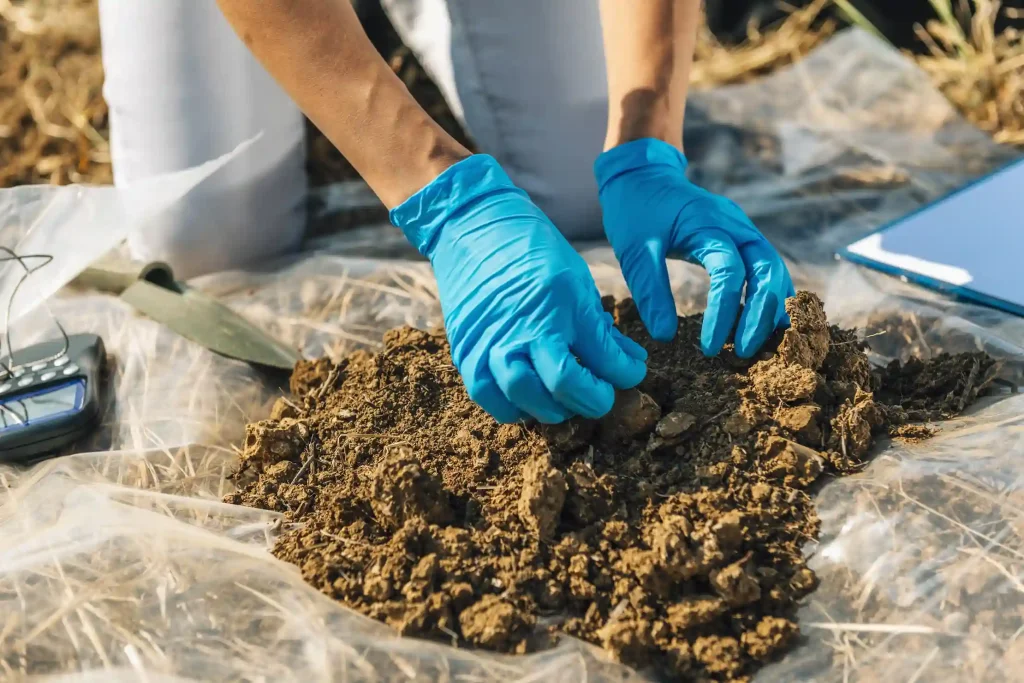
Sometimes gardening can feel like talking to a brick wall. Especially if the soil in your backyard is thick, sticky, and just doesn’t want to let your plants grow. Many Canadians know this struggle. Clay soil can be stubborn, heavy, and it often holds too much water after a spring rain. But slowly, over time, it can be turned into soft, nutrient-rich earth that almost begs for flowers and veggies to grow. The trick isn’t to rush it or throw sand on top, even though it might seem tempting. Real success comes from slowly adding the right soil amendments, keeping at it, and knowing what your clay soil actually needs. In this blog, you will learn how to amend clay soil, choose the right tools, and even pick plants that love clay. These little steps now can turn that hard earth into a garden that finally feels alive.
Understanding Clay Soil
Clay soil is dense. You dig into it, and your shovel feels like it’s lifting cement. When wet, it sticks to your boots, your tools, even your gloves. When dry, it cracks in long lines, like the ground is trying to tell you, “I’m too tight to grow anything easily.” It’s heavy, thick, and doesn’t move around much, which makes it hard for roots to spread. If you’ve tried to plant directly into it, you might have noticed how slow seeds germinate, or how small sprouts seem to struggle. That’s clay’s nature.
Challenges for Gardeners
The main trouble with clay soil is drainage. Water doesn’t flow through quickly. After a good rain, puddles sit for days. Roots can rot, and the soil stays cold long into spring. Digging it is tough work. Even with a spade, the soil resists. It’s slow to warm up in the sun, so plants get a late start. And if you dig when it’s wet, it can get packed even harder. That makes it even worse next spring.
Importance of Canadian Gardens
Canadian gardens face extra challenges. Winters are cold, the soil freezes, and spring rains can last for weeks. Clay can either hold water like a sponge or become rock-hard after a dry spell. Some plants don’t mind it, but most do better if the soil is loosened and improved. Even a small patch of clay soil can grow happily with a little attention.
Quick Tip
Never try to dig clay when it’s wet. That’s a shortcut to making your soil worse. It might look soft, but working it when wet can compress it into something almost impossible to work with for years. Waiting a few days or even a week can save a lot of effort later.
How to Test Your Clay Soil
Jar Test
A simple test anyone can do is the jar test. Take a clear jar, fill it with soil from your garden, add water, and shake it up. Let it sit. In a few hours, the heavier clay particles settle at the bottom, sand above that, and organic matter floats on top. You can actually see how much clay you have. It’s messy, but satisfying in a very “hands-on” way.
Feel Test
Another test is even simpler. Just grab a handful of soil and rub it between your fingers. Sticky, smooth, and kind of plastic-like? That’s clay. Rub it when dry, and it cracks apart. You get a sense of what you’re dealing with, and it feels like the soil is talking to you.
Optional pH Testing
In Canada, it can be useful to know the pH, too. Some areas naturally have more acidic or alkaline soil. A pH test kit from a garden store can give a quick number. It helps if you are thinking about adding lime or other soil amendments to adjust the soil chemistry.
Benefits of Testing
Testing the soil first can prevent common mistakes. You might think adding sand will fix the soil, but for clay, that often makes things worse. Testing also helps you know which soil amender will work best. It saves time, effort, and a bit of frustration.
Best Organic Amendments for Canadian Gardens
Clay is stubborn, but it responds to consistent care. Organic matter is the main tool for softening it. Think of it like giving the soil a little workout, or introducing helpful life inside it. The tiny organisms in compost and leaves break up clay slowly, making it lighter, airier, and easier for roots to grow.
Compost & Well-Rotted Manure
Compost and manure are classic helpers. They add nutrients and make clay easier to work with. A garden bed treated with compost feels softer and more “alive.” Even small amounts added each season can make a huge difference over time.
Shredded Leaves & Grass Clippings
If you have trees or a lawn, shredded leaves and grass clippings are a free resource. Leaves chopped into small pieces decompose faster and stay put instead of floating away. Grass clippings add nitrogen. Mix them in gently, and the soil begins to change texture without fancy tools.
Peat Moss
Peat moss is handy for stopping clumps from forming and helping drainage. It breaks up dense clay slowly. One downside is that it decomposes slowly, so sometimes extra nitrogen is needed to keep plants happy while it works on the soil.
Composted Pine Bark Fines
Pine bark fines add air pockets that last a long time. They help roots breathe and keep water from pooling. Gardeners often notice that plants grow stronger and healthier when pine bark fines are used, especially in stubborn clay patches.
Consistent Use
The key is patience. One-time amendments won’t fix clay overnight. Slowly adding these soil amendments, year after year, improves fertility and drainage. Over time, the garden starts to feel softer underfoot, easier to dig, and ready for plants to thrive. Even a small patch becomes manageable, and puddles after spring rains shrink noticeably.
When and How to Amend Clay Soil in Canada
Best Timing
Fall is the top choice. The freeze-thaw cycles naturally help mix organic matter into the clay. You get a little help from nature. Spring can work too once the soil warms, but avoid digging frozen or overly wet soil. A frozen patch feels impossible, and wet clay just smears and compacts.
Avoid Wet Soil
Working wet clay is a quick way to make hard soil worse. It might seem soft, but pressing on it with a shovel compacts it, and roots will struggle to get through for months.
Application Method
A simple approach is to spread 3 to 4 inches of organic matter over the area. Then, turn it gently into the top 6 to 12 inches with a garden fork or broadfork. Think of it as giving the soil a gentle massage instead of a beating. If done carefully, it makes a real difference in texture over time.
Individual Planting
If changing the whole garden at once feels overwhelming, tackle individual planting spots. Dig holes 2–3 times wider than the root ball. Mix the excavated clay with compost before planting. The new mixture is softer, nutrient-rich, and more welcoming for roots.
Key Tools
A garden fork, a broadfork, and a simple spade are usually enough. For larger beds, a tiller can help. Even without fancy tools, consistent work with soil amender will improve clay slowly but surely. Some gardeners also add lime for soil amendment to adjust pH, especially in more acidic regions.
Improving Drainage & Aeration
Aeration
Aeration is like giving clay soil a bit of breathing room. A core aerator removes plugs of soil so air and water can reach roots. Lawns often benefit the most, but garden beds do too if they have compacted clay.
Raised Beds
Sometimes, clay is just too wet. A raised bed 6 to 12 inches high lifts plant roots above waterlogged soil. It’s a simple solution, and gardeners often see plants bounce back faster when roots aren’t sitting in standing water.
Cover Crops
Planting cover crops in the fall is another trick. Daikon radish or winter rye grow deep roots that punch through hard clay. When the plants die, their roots make small holes in the soil. Water can go through these holes, and the soil gets air. After one or two seasons, the soil becomes softer and easier to work.
Gypsum
Gypsum works for clay with high sodium or salt. It helps soil particles clump together in a better way, which improves drainage. Not every clay needs it, but in certain Canadian regions, gardeners find it useful.
Tips for Canadian Gardeners
The best approach often combines methods. Aerate, raise beds, plant cover crops, and mix in compost. Over a few seasons, the clay begins to change. Careful work stops mistakes like packing the soil too hard or digging when it’s wet.
Step-by-Step Guide to Amending Clay Soil
Clear the Area
First, take out weeds, rocks, and any trash. It seems easy, but if you skip it, mixing in compost or other amendments is harder. Clean soil also lets plants grow without competition.
Add Organic Matter
Spread compost, manure, shredded leaves, or pine bark fines over the soil. Turn it gently into the top 6 to 12 inches. Avoid adding sand; it can make clay harder, almost like concrete. Slowly layering of organic matter works much better over time.
Mechanical Help (Optional)
Garden forks and broadforks are handy. Tillers can be used for larger spaces. The goal is to mix amendments gently. Fall or spring is best, as clay is moist but not wet. Overworking the soil in wet conditions just sets it back.
Mulch and Cover Crops
Mulch keeps the soil wet longer and stops the top from getting hard. Cover crops help the soil even more. They add nutrients when they die and break down. It is like giving the soil a little food while it rests.
Regular Maintenance
Avoid walking on wet clay. Repeat amendments every year or two. Over Canadian winters, cover beds when possible to protect the soil. Even small maintenance keeps the clay soft and workable for spring planting.
Conclusion
Turning clay soil into something soft and fertile isn’t instant. It’s slow, a bit messy, and requires patience. But with consistent use of soil amendments, careful timing, and the right plant choices, hard Canadian clay can transform into a garden that’s enjoyable to work with. Even little patches will start to feel lighter, easier to dig, and ready for life. Gardeners often notice progress season by season. For anyone feeling unsure, remember, slow and steady wins the garden. And for extra guidance or tips, Harry’s Lawn Care can provide hands-on advice to help Canadian gardeners every step of the way.
How often should I add soil amendments to clay soil?
Add them once a year or every two years. Even small amounts help the soil slowly. Clay soil gets better little by little.
Is it okay to plant vegetables directly in clay soil?
Yes, but it is not easy. Mix compost first or plant on small raised spots. This way, the roots can grow better.
Should I use lime for clay soil in Canada?
Only if the soil is acidic. Test it first. Lime can help plants get nutrients, but not every soil needs it.