
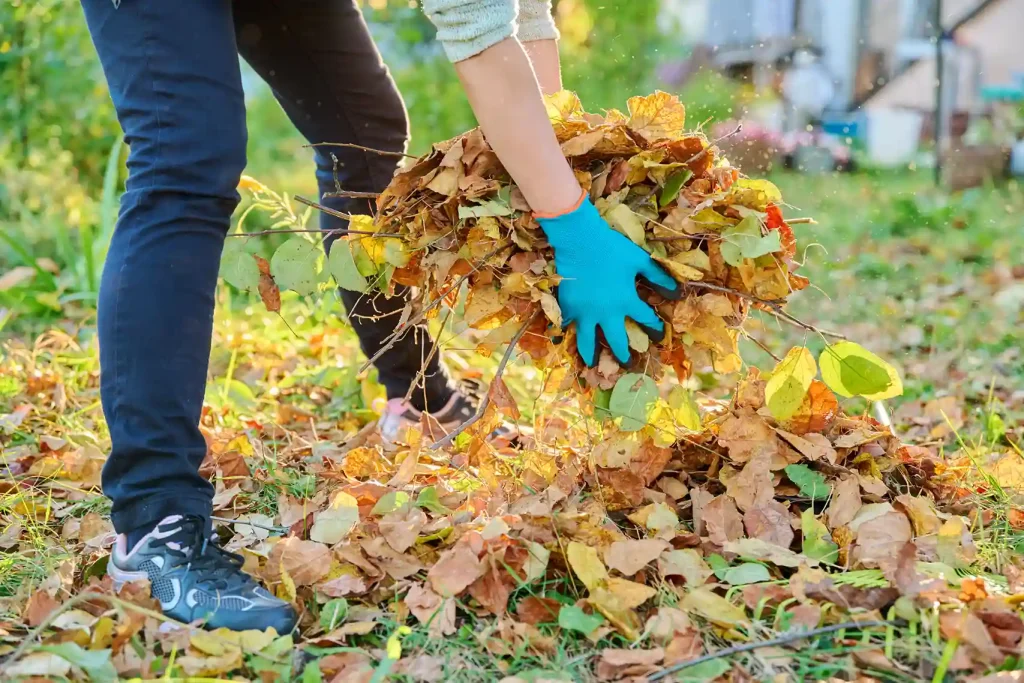
Fall in Canada has a way of sneaking up on you. One day, the air is warm, and the next, frost is nipping at the grass. Many homeowners feel a sudden rush to finish their yard work before the first freeze hits. It’s easy to make mistakes during this busy time, and sometimes those mistakes can hurt your lawn, your plants, or even you. Taking a little time to do things the right way makes a big difference. By paying attention to some common errors, anyone can make their yard winter-ready and have it bounce back quickly in spring. This guide will learn about mistakes to avoid, step-by-step cleanup tips, and some small tricks that make residential fall cleanup in Vancouver, BC in Canada a little smoother.
Common Mistakes to Avoid During Fall Yard Cleanup
1. Lawn Care Errors
Putting Away the Mower Too Early
A lot of people think that once the air gets chilly, mowing is done. But in Canada, grass keeps growing until the ground is frozen. Leaving the mower in the garage too early can let the grass mat down. When that happens, moisture gets trapped underneath, and snow mold or little critters like voles might start moving in. It’s one of those things that seems small but can make a yard look messy come spring.
Scalping the Lawn
Some people try to “tidy up” their lawn by cutting it really short. Cutting below two inches is risky. When the grass is too short, the crowns and roots get exposed to frost and can dry out more quickly. Grass doesn’t bounce back well if it’s scalped in the fall. Keeping it a little taller, just above two inches, is safer. It’s like giving your lawn a small blanket to protect it through the cold nights.
Leaving Heavy Leaf Mats
Leaves are beautiful in the fall, but they can be troublesome. Thick mats of wet leaves sit on top of the grass, block sunlight and air, and can smother the lawn. Raking regularly is one solution, but it’s time-consuming. A small trick is using a mulching mower that shreds the leaves into pieces less than half an inch. Those tiny bits actually feed the grass. It’s almost like recycling right in your yard. This method keeps things simple and gives the lawn a little natural boost.
Skipping “Winterizer” Fertilizer
Fall is a crucial time for fertilizing. In Canada, using a slow-release, nitrogen-rich fertilizer helps roots store energy for the cold months. This stored energy makes the grass greener and stronger in spring. If a person in Kings County doesn’t fertilize one fall, and their lawn comes back patchy the next year. Using a winterizer might seem like extra work, but it really pays off.
2. Garden & Plant Mistakes
Pruning at the Wrong Time
Pruning is tricky in the fall. Trim too much, and your plants might start growing new shoots that can’t survive frost. Trees and shrubs don’t always handle this well. Waiting until late winter or early spring, when plants are dormant, is safer. If a person cuts his rose bushes too early one year, and by winter, all the new shoots are gone. Timing matters more than cutting everything in sight.
Leaving Diseased Debris
Some garden debris is fine for the lawn, but diseased leaves or plants can stay in the soil and return in spring. Fungi and pests love this leftover plant matter. It’s better to clean up carefully and compost only healthy plants.
Neglecting Fall Watering
Many people assume that rainy Canadian autumns are enough to keep plants hydrated. Perennials and evergreens still need a deep drink before the ground freezes. If you skip this step, plants can dry out in winter. Watering may feel like extra work, but it helps plants stay alive in the cold and dry months.
3. Infrastructure & Maintenance Mistakes
Forgetting to Drain Hoses and Faucets
Water left in hoses or pipes can freeze. When water freezes, it expands and can crack the pipes. It’s a problem most homeowners forget until it’s too late. Using compressed air to blow out irrigation lines before the first hard freeze keeps everything intact.
It’s a small task that prevents big headaches.
Leaving Pots Outdoors
Clay and ceramic pots are beautiful but fragile. Wet soil in the pot freezes and expands, sometimes shattering the container. Moving pots to a garage or shed keeps them safe. A simple anecdote: a man left a favorite clay pot on the patio one year. A week later, it was in pieces after an early frost. A little foresight keeps your containers intact.
Ignoring Hardscapes
Patios, pavers, and walkways need some attention, too. Leaves, debris, or cracks let water in, which freezes and expands. This can shift or crack your hardscape. Sweeping debris and sealing cracks before winter prevents damage. It’s the kind of job you might skip because it’s not flashy, but your spring self will thank you.
4. Personal Safety Risks
Skipping the Warm-Up
Raking and lifting heavy bags isn’t easy on the body. Stretching for at least ten minutes before starting helps prevent strains. Even simple movements like touching your toes or twisting gently can save your back. A man in Huntsville hurt his shoulder one fall because he jumped right in without warming up. Small prep goes a long way.
Poor Raking Technique
Bending at the waist is a common mistake. Instead, bend at the knees and switch your stance and hand positions often. It spreads the effort evenly and prevents back strain. Doing a little rotation while raking may feel silly, but it keeps muscles from tiring too quickly.
Overloading Bags
Wet leaves are surprisingly heavy. Overfilling bags can strain shoulders and backs. Better to make more trips with lighter loads. One family tried to do it all in a few trips, and their backs paid the price. It’s slower, yes, but safer.
Step-by-Step Fall Yard Cleanup for Canadians
Step 1: Assess Your Yard
Look around before touching anything. Look around your yard first. See if any plants look damaged. Check for leftover waste or bugs. Just take a few minutes to notice things. It can save you from bigger problems later.
Step 2: Rake and Mulch Leaves
Start with the leaves. Do not let them pile up too much. Thick layers can harm the grass. If you can, mulch the leaves instead of just removing them. This helps the soil and gives it food. You can do a small area each day. It feels easier and not too much work.
Step 3: Lawn Care
Keep mowing carefully. Fertilize with a winterizer to store energy for the cold. Aeration helps water and nutrients reach the roots. It’s not glamorous work, but it makes a noticeable difference when spring comes.
Step 4: Protect Perennials and Shrubs
Mulch around the base of delicate plants and cover them if needed. Give them a deep watering if the soil feels dry. Add a few straws or bark on the ground to keep the plant roots warm in the cold.
Step 5: Prune Carefully
Cut only dead or sick branches. Do not cut too many branches. This will help the plant to stay healthy before winter. They do not get shocked or hurt by the cold.
Step 6: Prepare Infrastructure
Take the water out of the hoses and irrigation pipes. Do not leave water inside. Move any pots inside the garage or shed. Look at patios and walkways too. If there are little cracks or problems, fix them now. These small steps help stop ice from breaking things later.
Step 7: Clean and Store Tools
Wash your tools, like shovels and rakes. Take off all dirt and mud. Let them dry a bit. Then put them somewhere safe for winter. This keeps them good and ready to use next year. This way, they stay good for next year.
Step 8: Personal Safety Check
Do a little warm-up before you start. Stand and bend properly when raking. Try not to carry heavy loads. When you take care of your body, the work feels easier.
Bonus Tips for Canadian Yard Cleanup
Watch the Weather
Keep checking the weather. Look for frost, early snow, or too much rain. Doing yard work at the right time helps you avoid problems.
Eco-Friendly Practices
You can compost leaves and garden waste. This cuts down waste. Try to use fewer chemicals, too. It helps protect birds, insects, and the soil. Even small steps can help.
Plan for Spring
Think a little about spring now. Check your soil. See which plants may need extra care. You can also note down small tasks for later. It saves time when the weather warms up.
Conclusion
Fall yard cleanup in Canada is not always easy. If you stay away from common mistakes, your lawn and plants can stay in good shape. Small things matter here. Mow the grass the right way. Water them at the right time. These simple steps help more than you think. Even a little effort can change a lot. For homeowners in Huntsville, Kings County, or nearby areas looking for extra help, Harry’s Lawn Care can provide expert assistance with residential fall cleanup. Taking a thoughtful approach now makes spring a lot easier and your yard more enjoyable all year long.
When should I start fall yard cleanup in Canada?
You can begin in early fall. No need to wait too long. When leaves start falling, that’s a good time to start. If you wait, cold weather and snow can make things harder to do.
Is it wise to remove all dead leaves from the lawn?
You don’t have to remove every single leaf. If there are only a few, you can mulch them into small pieces. But if leaves get thick, it’s better to clear them. Too many leaves can hurt the grass.
Can I still do yard cleanup after frost starts?
Yes, you still can. It just gets a bit harder. Leaves may be wet or even frozen. The ground can feel stiff, too. So it’s better if most of the work is done before the heavy frost.
How can I get my lawn ready for winter snow?
Keep the grass at a normal height. Don’t cut it too short. Remove heavy leaves and use a fall fertilizer. A clean yard helps protect it during winter.
Is hiring a fall cleanup service a good idea?
If you feel busy or don’t have the energy, it can help. They can do the work faster.