
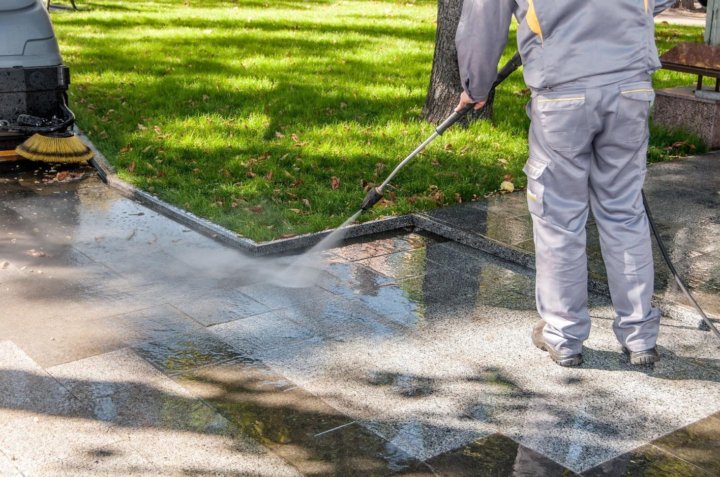
Want a clean home or business in Vancouver, BC? Pressure washing is a great way to do it. But what about the chemicals? This guide will break down safe pressure washing chemicals for 2025. We’ll talk about soft washing methods, how to get a quality cleaning, and how to protect your surfaces. By the end, you’ll know how to get a deep cleaning without harming your property or the environment.
Why Choose the Right Chemicals for Pressure Washing?
Pressure washing uses high-pressure water and, sometimes, cleaning solutions. These solutions help remove dirt, grime, mold and mildew. Water alone can do a lot, but some stains need chemicals to really break them down. Using the wrong chemicals can damage your property. It can also harm your plants and local water ways. So, picking the right chemicals for different surfaces is key for safe and effective cleaning. This is extra important in Vancouver, BC, where mold and algae grow easily.
What is Sodium Hypochlorite and How is it Used Safely?
Sodium hypochlorite is a common and effective chemical for pressure washing, especially for soft washing. You might know it as bleach. It’s a strong cleaner and stain remover. But you need to use it carefully.
The Chemical Process
Sodium hypochlorite breaks down organic matter like mold, algae, and mildew. It kills them by changing their cell structure. That’s why it’s so good at getting rid of those tough green and black stains on roofs and siding. It’s a great siding cleaner.
Safe Use in Soft Washing
For delicate surfaces like vinyl siding, painted areas, and roofs, soft washing is best. This method uses low-pressure water with a weak sodium hypochlorite solution. Usually, it’s 1-2% for siding and 3-5% for roofs. The chemical does the hard work, sitting on the surface to kill the growth. Then, a gentle rinse washes it away. This avoids the high pressure that can damage fragile materials. Please don’t make the solution too strong, or it could cause damage or discoloration. Always wet nearby plants and grass before applying the solution, and rinse them well afterward to keep them safe.
Understanding Other Effective and Safe Cleaning Agents
Besides sodium hypochlorite, other chemicals are used in pressure washing. Each has its benefits.
- Biodegradable Detergents
These are often the first choice for general dirt. They make water work better to lift dirt. Many siding cleaner products are biodegradable. They’re made for pressure washing and are safe for the environment when used correctly. They’re great for quality cleaning without harshness.
- Oxalic Acid
This is mainly for removing rust and brightening wood. It’s a milder acid than some industrial cleaners. It can make weathered wood decks and fences look new again.
- Citric Acid
This is an eco-friendly option. It works well for mineral stains, rust, and some organic growth. It’s often used on concrete. It’s a good choice if you want a less aggressive cleaner.
- Degreasers
For oil and grease stains on concrete driveways or garage floors, degreasers are very useful. These chemicals break down oil-based residues. This makes it easier to rinse away with power washing.
Where Are These Chemicals Best Applied?
The right chemical depends on the surface and what needs cleaning.
- Vinyl Siding: Soft washing with a weak sodium hypochlorite solution or a specific biodegradable siding cleaner is perfect. It removes mold, mildew, and dirt without damaging the siding.
- Roofs (Asphalt Shingles): A stronger sodium hypochlorite solution used with soft washing kills moss, algae, and lichen. High-pressure washing can harm shingles and void warranties.
- Concrete Driveways and Sidewalks: These tough surfaces can handle higher pressure. Power washing works well here. Sodium hypochlorite, degreasers, or citric acid can clean deep. They remove tough oil stains, rust, and ingrained dirt.
- Wood Decks and Fences: Gentle pressure washing with wood cleaners or oxalic acid can clean and restore wood. Be careful to avoid splintering the wood.
- Stucco and Brick: Soft washing with suitable biodegradable cleaners is best for these delicate surfaces. This prevents erosion or damage to the mortar.
The Benefits of Deep Cleaning Your Exterior Surfaces
Getting your exterior surfaces professionally cleaned in Vancouver, BC, offers many benefits.
- Better Curb Appeal: A clean exterior makes your home or business look much better.
- Higher Property Value: A well-kept exterior can increase your property’s value. This is important in Vancouver’s housing market.
- Prevents Damage: Mold and mildew can damage surfaces over time. Regular deep cleaning stops this, saving you money on repairs.
- Healthier Environment: Getting rid of mold and mildew reduces allergens. This improves the air quality around your property.
- Longer-Lasting Surfaces: Removing dirt extends the life of your siding, roof, and concrete. This protects your investment.
- Pest Control: Dirt and debris can attract pests. A clean exterior keeps them away and safe.
Conclusion
Choosing the right chemicals for pressure washing is crucial for a safe, effective and long-lasting clean. Whether it’s sodium hypochlorite for soft washing, acids for stains or biodegradable detergents for general cleaning, knowing how to use them correctly is key. At Harry’s Lawn Care, we provide all types of lawn services, including expert pressure washing with safe and effective chemical solutions.