
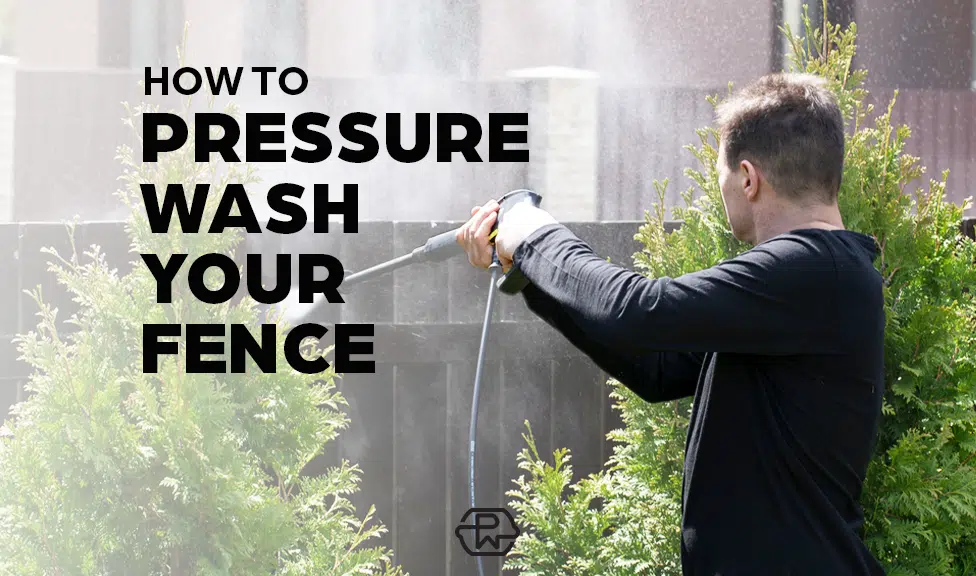
Is your fence looking dull? Over time, dirt, grime, mold, and mildew can build up. This makes even the best fence look tired. This is especially true in Vancouver, BC. Here, lots of rain means fences are constantly battling the elements. But what if you could make your fence look new again? Imagine boosting your home’s appeal! You could also make your fence last longer! The secret is in the powerful, precise technique of pressure washing.
This guide will show you everything about how to pressure wash a fence. We’ll also share key cleaning tips for 2025. By the end, you’ll know the exact steps and the right tools. You’ll also learn essential safety rules to get your fence sparkling clean without any damage.
Why Pressure Wash Your Fence?
Pressure washing does more than make your fence look good. It offers significant benefits! Regular cleaning stops mold, mildew, and dirt from settling in. These can slowly break down your fence, especially if it’s wood. This active care helps keep your fence strong. It also makes it last longer. A clean fence is also perfect if you plan to stain or paint it. The finish will look better and stick more evenly.
Essential Tools and Equipment
- Pressure Washer: You can use an electric or gas model. Gas models are usually more powerful (higher PSI) and better for bigger jobs or tough dirt.
- Appropriate Nozzles: These are vital to avoid damage. A 25-degree (green) tip is usually best for most wood fences. It balances cleaning power with safety. A wider 40-degree (white) tip can be used for light rinsing or less aggressive cleaning. Never use the zero-degree (red) tip; it can easily cut into wood.
- Wood-Safe Detergent/Cleaner: Look for products made for fences or outdoor wood. Many good options exist, like Simple Green Oxy Solve Deck and Fence Cleaner. It uses peroxide to brighten without bleach.
- Garden Hose: You’ll need this to connect to the pressure washer and pre-wet the fence.
- Scrub Brush (optional): Useful for very stubborn stains or areas with heavy mold and mildew.
- Safety Gear: Eye protection (safety glasses), gloves, and strong, closed-toe shoes are a must. Hearing protection is also a good idea, especially with gas-powered washers.
- Tarps/Plastic Sheeting: Use these to protect nearby plants, delicate landscaping, and electrical outlets from spray and detergent.
How to Prepare Your Fence for Pressure Washing
Clearing the Area and Protecting Plants
- Move any furniture, decorations, or other items away from the fence.
- Sweep off loose dirt, debris, and cobwebs from the fence surface.
- Close all nearby windows and doors so water doesn’t get inside your home.
- Cover any sensitive plants, bushes, or electrical fixtures near the fence with tarps or plastic.
- Pre-wet the soil and plants around the fence with a garden hose. This soaks the ground. It helps dilute any detergent runoff. This protects your plants from chemicals.
Testing Your Pressure Washer
- Always test your pressure washer on a hidden part of the fence first. This helps you find the right pressure wash fence PSI and nozzle without damaging a visible area.
- For softer woods like cedar or pine, 500 to 800 PSI is usually enough. Harder woods can handle higher pressures, typically 1200 to 1500 PSI. Never go above 1800 PSI on wood fences; it can cause splinters or gouges.
- Start with the nozzle far from the fence (about 2 feet). Slowly move closer until it cleans well without causing damage.
Step-by-Step Guide to Pressure Washing Your Fence
1: Apply the Cleaning Solution
- Attach the detergent siphon tube to your pressure washer. Or, fill its soap tank with your chosen best fence cleaner.
- Set your pressure washer to a low-pressure setting (often a black or blue nozzle) to apply the detergent.
- Work on small sections (1-2 fence boards at a time). Apply the detergent from the bottom up. This stops streaks by making sure the cleaner doesn’t dry on the lower parts before you rinse.
- Apply the solution in long, even, overlapping strokes.
- Let the cleaner sit on the fence for 5-10 minutes. Don’t let it dry out; mist it with water if needed. For filthy areas or tough stains like mold, you can gently scrub with a soft brush while it soaks.
2: The Power Washing Rinse Technique
- After the detergent has worked, switch to a higher-pressure nozzle. The 25-degree green tip is excellent for rinsing wood. Turn off the detergent feed.
- Start rinsing from the top of the fence. This ensures all dirty water and cleaner are washed away. It also prevents new streaks.
- Keep a steady distance from the fence (usually 6-12 inches). Adjust this based on your test and the wood’s condition.
- Use sweeping and overlapping motions. Always move with the wood’s grain. Avoid staying in one spot as this can damage the wood.
- Work carefully by rinsing each section until all dirt and cleaner are gone. The water should run clear.
3: Post-Washing Care
- After rinsing the whole fence, let it dry completely. This can take 24-48 hours or longer if it’s humid. Make sure all water has evaporated. This is key especially if you plan to stain or seal it.
- Once dry, check your fence. If you see any stubborn spots, you can re-treat them. Or, clean them more directly.
- To protect your fence from future weather damage, especially in a rainy place like Vancouver, BC, consider applying a good-quality wood stain or sealant. This will help keep it looking great. It will also make it last longer. It repels water and prevents sun damage.
Additional Cleaning Tips for a Lasting Shine
- Annual Cleaning: Pressure washing your fence at least once a year is a good habit. It stops too much dirt from building up. This keeps it looking good.
- Mould and Mildew: For widespread mold and mildew, use a cleaner specifically made to kill these organisms. It will work better.
- Spot Treatment: For minor, isolated stains, scrubbing with a brush and cleaner is enough. You might not need a complete power washing.
- Professional Help: If your fence is ancient, fragile, or badly damaged, or if you’re not sure about using a pressure washer, it’s always smart to call in the pros. They have the knowledge and tools to clean your fence safely and effectively.
Conclusion
Pressure washing your fence is a fantastic way to make it look new. It removes ugly grime. It also protects your investment. By following these steps and using the proper methods, you can get results that look professional. Your fence will remain a beautiful and strong part of your property. Remember how important it is to prepare well. Choose the correct pressure wash fence PSI and nozzle. And rinse thoroughly.
For all your lawn and outdoor property needs, including expert power washing services, choose Harry’s Lawn Care. We provide all types of lawn care services to keep your outdoor spaces in perfect condition, right here in Vancouver, BC.