
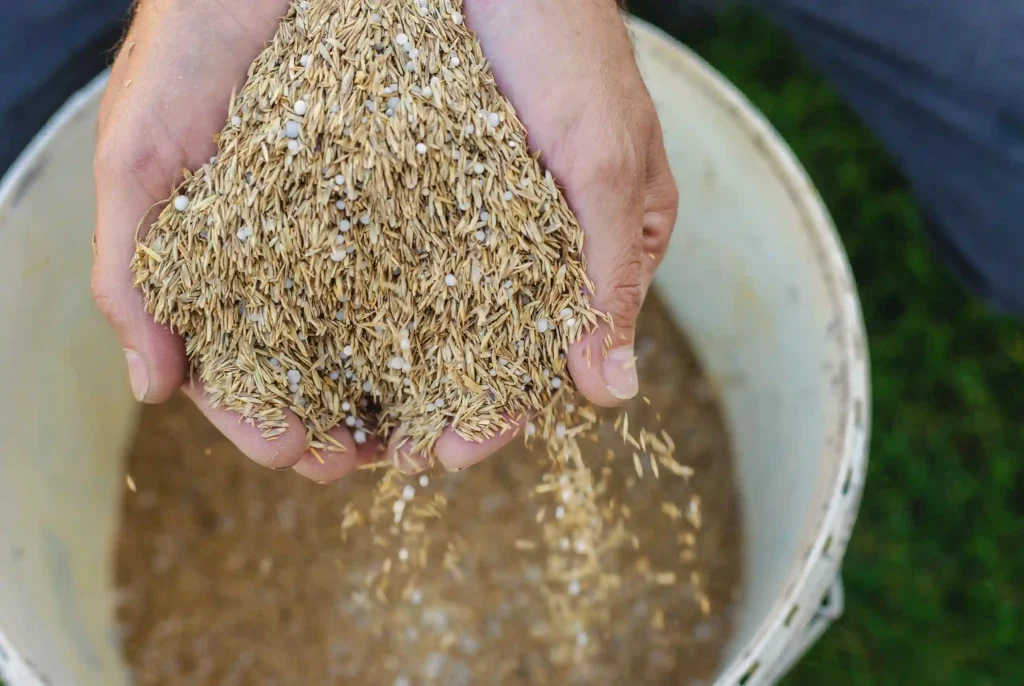
Sometimes, no matter how hard a homeowner tries, the lawn just won’t grow right. There are patches, some spots look thin, and the grass seems weak. A lot of times, the problem is simple: the grass seed wasn’t the right type for the lawn. In Canada, this is even trickier because of cold winters, changing spring weather, and different soil types.
This blog is about helping people figure out which grass seed will work best for their yard. It will cover how sunlight, soil, climate, lawn use, and overseeding seasons affect grass growth. For anyone thinking about overseeding a lawn, especially in spring or autumn, this is a guide that’s easy to follow. You’ll also learn why blends work well, what to look for on the seed label, and even when to mow the lawn after overseeding.
Why Choosing the Right Grass Seed Matters
Choosing grass seed may not sound exciting, but it makes a big difference. Imagine planting a bunch of seeds, watering them carefully, and then watching them struggle. Thin patches, uneven growth, and lots of extra work can show up when the seed isn’t right. Canadian lawns have challenges most people don’t think about. Cold winters can kill tender grass, shaded spots under trees make some grasses unhappy, and busy backyards with kids or pets can wear down certain types. Picking the right seed means grass can recover faster, stay green longer, and survive harsh winters. For people who like a neat lawn without spending every weekend fixing it, this choice matters a lot.
Top Grass Varieties for Canadian Lawns
Kentucky Bluegrass
This one is popular in Alberta, Manitoba, and southern Ontario. It has a dark, rich green color and can “self-repair” bare spots using underground rhizomes. That’s handy for people who accidentally walk in the same path a lot, or kids who run around. One downside is that it has shallow roots, so during hot, dry spells, it can get a little tired and need extra watering.
Fine Fescues (Creeping Red, Chewings, Hard Fescue)
These grasses are great for shady areas, like backyards with big trees. They grow deep roots and can handle dry patches better than many other seeds. People with low-maintenance lawns love these because they don’t need constant mowing or fertilizers.
Perennial Ryegrass
If the lawn gets lots of use, like kids playing or pets running around, this grass is useful. It sprouts fast, usually in 5–10 days, so you get a quick green cover. It doesn’t repair itself like bluegrass, but it is tough and makes a lawn look alive quickly, which is nice for spring overseeding.
Tall Fescue
Tall fescue works well in drought-prone areas or warmer parts of Canada, like southern Ontario or parts of British Columbia. Its deep roots let it stay green longer in dry or hot spells. If someone misses watering for a week or two, this grass won’t get stressed. It’s also a good option for autumn lawn overseeding.
How to Choose the Right Grass Seed for Your Lawn
You can choose the right grass seed for your lawn in the following ways:
Step 1: Understand Your Climate
Lawn care in Canada isn’t one-size-fits-all due to its changing weather. The cold winters, snow, and cool springs and falls mean that cool-season grasses are the usual choice. These grasses grow best when it’s cool, not too hot. Some people wonder what is overseeding a lawn. Basically, it’s spreading new seed over an existing lawn. Timing is very important. In spring, lawns start growing again after winter. The soil slowly becomes warm. Because of this, new grass seeds can start growing earlier and get a good start. Fall is also a good time to plant grass seed. Late August or early September usually works well. The soil is still warm at that time, and the air becomes cooler. This helps the grass roots grow and settle before winter comes.
Step 2: Check How Much Sunlight Your Lawn Gets
Sunlight is very important for grass, as some lawns get a lot of sun, while others stay in shade for many hours. The amount of sunlight in your yard can affect how well the grass grows. Most grasses like at least four to six hours a day. Some do better with full sun, while others, like fine fescues, can survive in the shade.
Grass for Full Sun Areas
Open lawns without many trees can handle a lot of sun. Kentucky bluegrass and perennial ryegrass do well here. People doing lawn overseeding in spring often pick these because the seeds get plenty of warmth to sprout.
Grass for Partial or Heavy Shade
If the yard has trees or buildings blocking light, shade-tolerant grass is better. Fine fescues are the main choice here. Even though the grass grows more slowly in shade, it’s less likely to die or turn patchy. This also works well for overseeding a lawn in autumn when sun hours are already shorter.
Step 3: Understand Your Soil Conditions
Soil is where grass roots grow, and it matters more than many people realize. A soil test can help, but in general, Canadian lawns like slightly acidic soil, around pH 6.0 to 7.0.
Common Soil Types in Lawns
- Clay Soil
Holds water longer, but it can compact easily. Water can sit on top, which slows root growth.
- Sandy Soil
Drains quickly and dries fast. Nutrients can wash away, so the grass might look thirsty after a few hot days.
- Loamy Soil
The “Goldilocks” soil. Holds moisture but drains well. Most grasses do well here.
Some grasses adapt better to certain soils. Fine fescues are okay in poor soil, while Kentucky bluegrass likes rich, loamy dirt. Knowing this helps the overseeding lawn process succeed.
Step 4: Think About How the Lawn Will Be Used
A lawn for decoration doesn’t have the same needs as a backyard where kids play soccer every day.
High-Traffic Lawns
Lawns with kids, pets, or sports need tough grasses. Perennial ryegrass and tall fescue recover fast from wear.
Low-Maintenance Lawns
If someone just wants a green patch with little fuss, fine fescues or Canada bluegrass work well. They grow steadily and don’t need constant mowing.
Decorative Lawns
Some front yards are mostly for looks. Kentucky bluegrass gives a thick, dense, visually pleasing lawn. Even if it doesn’t see heavy use, it makes the property feel polished.
Step 5: Choose Between Single Grass Seed or Seed Blends
Single Grass Variety
This is just one type of grass. Looks uniform and predictable. But if the soil, sun, or foot traffic varies, it might struggle.
Grass Seed Blends or Mixtures
Mixing seeds is smart for most Canadian lawns. Kentucky bluegrass, fine fescues, and perennial ryegrass together give a balance of toughness, shade tolerance, and quick growth. This is very helpful when overseeding a lawn in spring or autumn. A mix of grass seeds can grow better in all seasons. It can also fill thin spots in the lawn. One single type of grass may not grow well in all these conditions.
Step 6: Check the Grass Seed Label Before Buying
The seed bag tells a lot. You should consider the following before buying grass seeds:
Pure Live Seed (PLS)
Shows how much of the seed is actually viable. Higher numbers mean more grass will grow.
Germination Rate
Aim for seeds with at least 85% germination. Otherwise, a lot of the seed may just sit there.
Weed Seed Content
Too many weed seeds means you’ll have to spend extra time pulling them out.
Avoid Annual Ryegrass in Economy Mixes
Some cheap mixes include this grass. It sprouts fast but dies after one season, so the lawn may look patchy next year.
Step 7: Mowing After Overseeding
After spreading seeds, it’s not healthy to mow your lawn right away. But it’s better to wait until the grass is about 3–4 inches tall. Cut only a third of the blade at a time. This gives new grass a chance to grow strong. People often forget this step and end up damaging delicate new seedlings.
Conclusion
The right grass seed in Canada isn’t just about picking a bag of seeds from the store. You have to consider sunlight, soil, lawn use, climate, and timing. Using blends with Kentucky bluegrass, fine fescues, and perennial ryegrass often works best, whether they are overseeding a lawn in spring or autumn. Paying attention to the seed label, planting at the right time, and mowing carefully after overseeding make a big difference. For anyone trying to get their lawn looking full and healthy, a little planning goes a long way. And for guidance or help with any lawn project, Harry’s Lawn Care is there to make sure the yard grows strong and green, no matter the season.
Can I overseed my lawn if it already has weeds?
Yes, you can. But it is better to pull out big weeds first. Small weeds will not stop new grass from growing.
Can I overseed a lawn in very hot weather?
No, hot weather can dry the seeds too fast. It is better to plant in spring or early fall in Canada.