
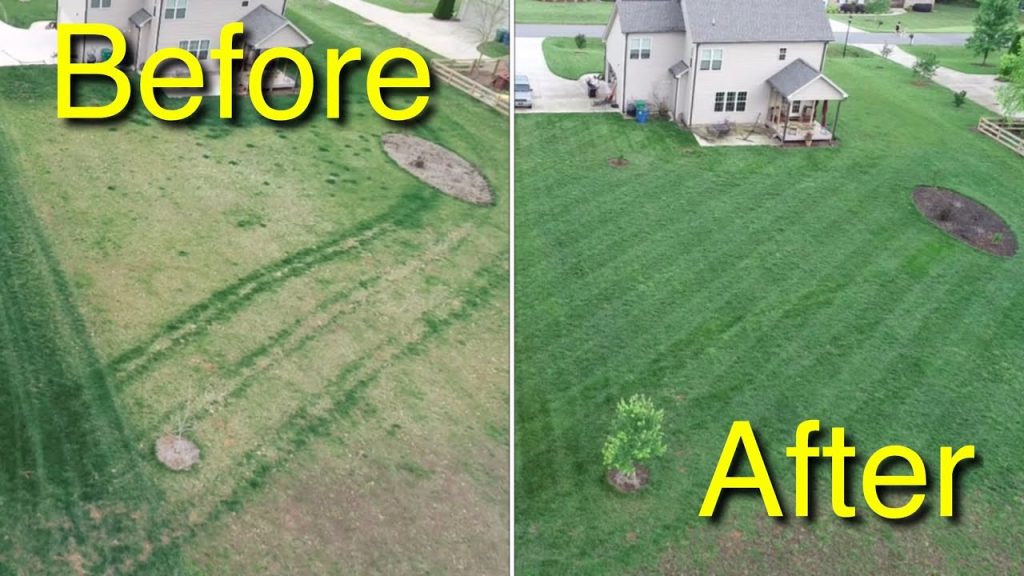
A green and vibrant lawn makes any home stand out. In Vancouver, BC, our unique climate offers both opportunities and challenges for grass. From fighting moss to growing thick turf, good lawn maintenance is key. A crucial part of this care is grass feeding, especially regular lawn fertilization. But how often should you fertilize your lawn in Vancouver? This guide will show you how to get a thriving lawn. By the end, you’ll know the best lawn fertilization schedule, different types of fertilizers and how to apply them in Vancouver.
Why Is Lawn Fertilization Important for Your Vancouver Lawn?
Just like any living thing, your grass needs food to grow strong and healthy. The soil in your Vancouver yard might not have all the nutrients your lawn needs. This can lead to thin spots, dull color and more weeds and diseases. Lawn fertilizer adds these vital nutrients back. It helps your grass grow strong, look rich green and resist stress. Regular grass feeding also helps your lawn beat out weeds. This makes for a thicker and nicer lawn.
What Are the Key Nutrients in Lawn Fertilizer?
Lawn fertilizers usually have three numbers on the label. These show the N-P-K ratio: Nitrogen (N), Phosphorus (P), and Potassium (K). Knowing these elements is vital for good grass feeding.
- Nitrogen (N)
This is the primary nutrient for green, leafy growth. It gives your lawn its rich color and thick look. Fertilizers with more nitrogen are often used in spring and summer.
- Phosphorus (P)
This is important for strong roots and overall plant health. It’s especially useful for new lawns or when reseeding.
- Potassium (K)
This nutrient helps grass health by making it stronger against diseases, drought and cold. This makes it crucial for fall use.
When to Fertilize Your Lawn in Vancouver: A Seasonal Schedule
Vancouver’s climate, with mild wet winters and drier summers, means you need a specific lawn fertilization schedule. This ensures the best grass health. Usually, applying fertilizer several times a year works best.
- Early Spring (Late March – Early April)
This is your first chance for grass feeding in Vancouver. As your lawn wakes up from winter, it needs nitrogen for new growth and a bright green color. A balanced slow-release granular fertilizer with more nitrogen (like a 20-5-10 NPK ratio) is often best. Make sure the ground is dry enough to walk on.
- Late Spring/Early Summer (Late May – Early June)
A second application helps keep your lawn lush and growing through warmer months. Think about a balanced fertilizer. If your lawn is already very green, use one with slightly less nitrogen. This avoids too much top growth at the cost of root development.
- Early Fall (Early September)
This is often the most important time to fertilize Vancouver lawns. Using a fall fertilizer with more potassium (like 10-4-24) makes your grassroots stronger. This helps them resist winter stress and diseases like moss. This application also helps store nutrients for the next spring.
- Late Fall (Late October – Early November)
A final, slow-release fertilizer application before the ground freezes (if it does) can give nutrients for winter. This helps your lawn come out healthier in the spring.
How to Fertilize Your Lawn in Vancouver
Applying lawn fertilizer correctly is as important as choosing the right one. Wrong application can lead to uneven growth, burning or nutrient runoff.
- Prepare Your Lawn
Before fertilizing, mow your lawn to its usual height. This helps the fertilizer reach the soil more easily. For granular fertilizer, make sure the grass blades are dry. If using liquid fertilizer, slightly damp grass can help absorption.
- Read the Label
Always follow the directions on the fertilizer bag or bottle. This will tell you how much to use and safety tips.
- Use a Spreader (for granular fertilizer)
For even spreading, especially on bigger lawns, a broadcast or drop spreader is a must. Set your spreader based on the product’s advice. For smaller areas, a handheld spreader can work. Apply half the suggested amount in one direction and then the other half across it. This ensures full and even coverage, avoiding missed spots.
- Apply Evenly
Whether you use granular or liquid fertilizer, try to cover the area uniformly. Uneven application can cause darker green patches or, on the other hand, places that look starved.
- Water Thoroughly
After applying granular fertilizer, water your lawn deeply. This helps the nutrients dissolve and go into the soil. There, the grassroots can absorb them. Watering also stops the fertilizer from burning the grass. For liquid fertilizers, immediate watering might not be needed if the product is for leaf absorption, but check the instructions.
- Clean Up
Sweep any spilled fertilizer off sidewalks and driveways. This stops it from washing into storm drains and waterways.
At Harry’s Lawn Care, we provide all types of lawn services to keep your outdoor space looking its best. This includes expert lawn fertilization made for Vancouver’s unique climate.