
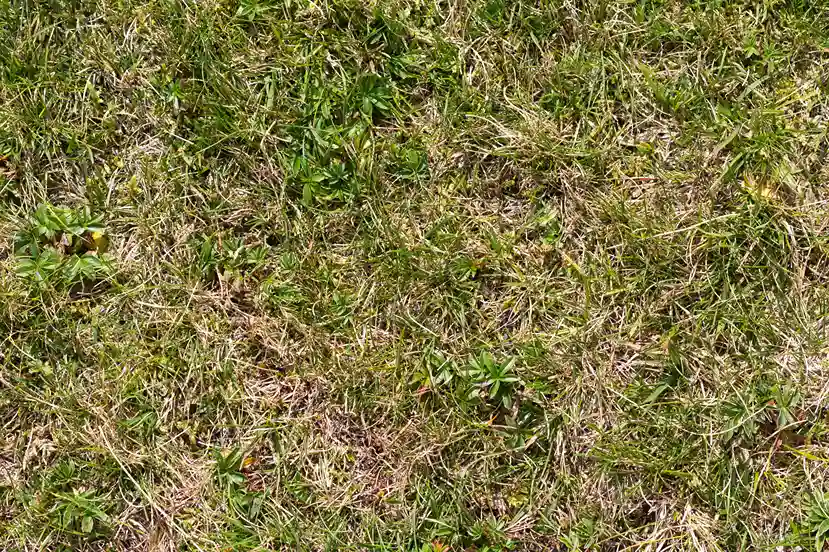
A lawn can look fine one day, and then suddenly something feels off. Maybe the grass looks a bit yellow. A lot of homeowners in Canada notice these small changes but ignore them at first. It does not seem like a big deal. But many times, those small changes are early signs of lawn diseases. In Canada, lawns go through a lot. Long winters, wet springs, and humid summers make it easy for lawn disease to grow. These problems do not start big. They begin quietly. A few patches here, a strange color there. This is why early care matters. When someone understands the signs early, it becomes much easier to stop lawn grass diseases before they spread too far.
This guide walks through simple ways to notice those early signs. It also shares a basic lawn disease identification chart and some easy steps that actually help.
What Is a Lawn Disease?
A lawn disease is a problem that affects the health of the grass. Most of the time, it comes from fungus. These fungi live in the soil already, so they are not new. They just grow more when the conditions are right. Wet grass, warm days, and cool nights create the perfect setup. A person might water the lawn regularly and still see damage. That can feel confusing. But the issue is not always water. Sometimes, there is too much moisture staying in the grass for too long.
Lawn Disease Identification Chart (Quick Guide)
It helps to have a simple way to match signs with possible problems. Not exact, but enough to get an idea.
| Symptom | Possible Lawn Disease |
| Yellow patches | Common lawn diseases |
| Powdery layer | Early fungus |
| Slimy grass | Moisture-based lawn disease |
| Red threads | Red thread disease in lawns |
| Orange dust | Rust disease |
What Are the Early Signs of Lawn Diseases?
The following are the early signs of lawn disease:
Patches and Rings
One of the first things people notice is small patches that may be yellow, brown, or even grey. They may look like dry spots, but watering does not fix them. These patches often form circles or uneven rings. A homeowner once thought his lawn just needed more water. He kept watering daily. The patches only grew bigger. That is how lawn diseases behave. They do not go away with more water.
Slimy or Greasy Grass
Sometimes the lawn looks fine in the afternoon. But early morning tells a different story. The grass can look wet, almost shiny. When touched, it feels sticky or matted. This is not normal moisture. It often means fungus is active. Many people miss this sign because they do not check their lawn early in the day.
Powdery or Fuzzy Coating
Another sign is a soft layer on the grass. It can be white, grey, or even orange. It looks like dust sitting on the blades. At first, it may not look serious. Just a light coating. But it spreads slowly. This is one of the early stages of lawn diseases, and it should not be ignored.
Texture Changes
Grass should feel smooth and even. When the disease starts, the texture changes. In some cases, thin red or pink threads appear. This is red thread disease in lawns. It is quite common in cooler, damp weather. Other times, the grass develops grey, fluffy patches. That is often snow mold, especially after winter. It looks soft, but the grass underneath is weak.
Spots That Spread
Small dark spots can show up on grass blades. A small area can turn into a larger dead patch quickly. This is where early action really matters.
Strange Colors
Sometimes the lawn shows odd colors. Bright yellow or even orange. In other areas, there may be dark green rings that grow faster than the rest. These color changes are not random. They are signs of lawn grass diseases. The lawn is trying to show that something is wrong.
Why Do Lawn Diseases Happen?
Your lawn can get different diseases because of the following reasons:
Too Much Water
Water is good, but too much of it causes problems. When the grass stays wet for long hours, fungus grows easily. Some people water at night, thinking it helps. It does not. The lawn stays wet overnight, which is exactly what diseases need.
Poor Air Circulation
When the grass is too thick or the soil is compacted, air cannot move properly. Moisture gets trapped. It is like wearing wet clothes with no airflow. It does not dry, and that creates issues.
Too Much Nitrogen
Fertilizer helps grass grow, but too much nitrogen makes it weak in a different way. The grass grows fast but becomes soft. Fungi like this kind of environment. It makes lawn disease spread faster.
Canadian Weather Conditions
Canada has long winters and humid summers. Snow stays on the ground for months. When it melts, moisture remains. Cool nights and warm days also help fungus grow. So even a well-kept lawn can face these issues.
How to Stop Lawn Diseases Fast
You can stop lawn diseases fast by following these steps:
Water in the Morning
Watering early makes a big difference. Between 4 AM and 8 AM works best. This gives the grass time to dry during the day. Night watering should be avoided. It keeps the lawn wet too long.
Aerate the Soil
Compacted soil blocks airflow. Water sits on top instead of draining properly. Using an aerator helps open the soil. Air can move, and roots get stronger. This simple step often improves lawn health quickly.
Reduce Nitrogen Fertilizer
When lawn disease is present, fertilizer should be reduced. Especially high nitrogen types. It might feel wrong to stop feeding the lawn, but in this case, it helps control the problem.
Sharpen Mower Blades
Dull blades tear the grass instead of cutting it clean. These tears create small openings. Fungus can enter through those openings. Sharp blades make clean cuts, which protect the grass.
Dethatch the Lawn
A thick layer of thatch holds moisture. If it is more than half an inch, it should be removed. This improves airflow and helps the lawn dry faster. It also reduces the chance of lawn diseases coming back.
Remove Infected Grass
Infected areas should be cleaned. Leaving them in place allows disease to spread. It may feel like a small patch, but removing it early can save the rest of the lawn.
Use Simple Organic Solution
For small areas, a simple mix can help. Baking soda, a little oil, and water. It is not a strong treatment, but it works in the early stages. Many homeowners try this first before using anything stronger.
What Lawn Diseases Are Common in Canada?
Lawn diseases in Canada greatly depends on the weather conditions:
Spring
Spring often brings snow mold. Grey or pink patches appear as the snow melts. Red thread disease in lawns is also common during cool, wet weather.
Summer
Summer brings different problems. Brown patches show up as circular dry areas. Dollar spot creates small light patches. Pythium blight makes grass look slimy and wet.
Fall
In the fall, rust disease becomes more visible. The orange dust appears on grass blades. Some lawn diseases from earlier seasons can also return.
How to Prevent Lawn Diseases Long-Term
You can prevent lawn diseases for a long time by considering the following points:
- Healthy lawns need simple care. Not perfect care, just steady care.
- Keeping grass at a good height helps. Around 2.5 to 3.5 inches works well. Watering properly matters more than watering often.
- Soil health also plays a role. Strong roots make grass more resistant.
- Some people overseed with stronger grass types like tall fescue. It handles stress better, especially in Canadian weather.
Conclusion
Taking care of a lawn does not have to feel complicated. Small checks, now and then, can catch problems early. And early action usually makes things easier. If things feel a bit out of control or confusing, getting help is not a bad idea. Harry’s Lawn Care can guide homeowners with simple steps and the right approach to keep lawns healthy and steady through the seasons.
What are the early signs of lawn diseases?
Early signs include yellow patches, slimy grass, powdery coating, and small spots that grow over time.
What causes lawn diseases in Canada?
Moisture, humidity, poor airflow, and long winters all contribute to lawn diseases.