Boxwood Plant Growing Guide - Best Varieties, Planting & Care

Boxwood Plant Growing Guide – Best Varieties, Planting & Care

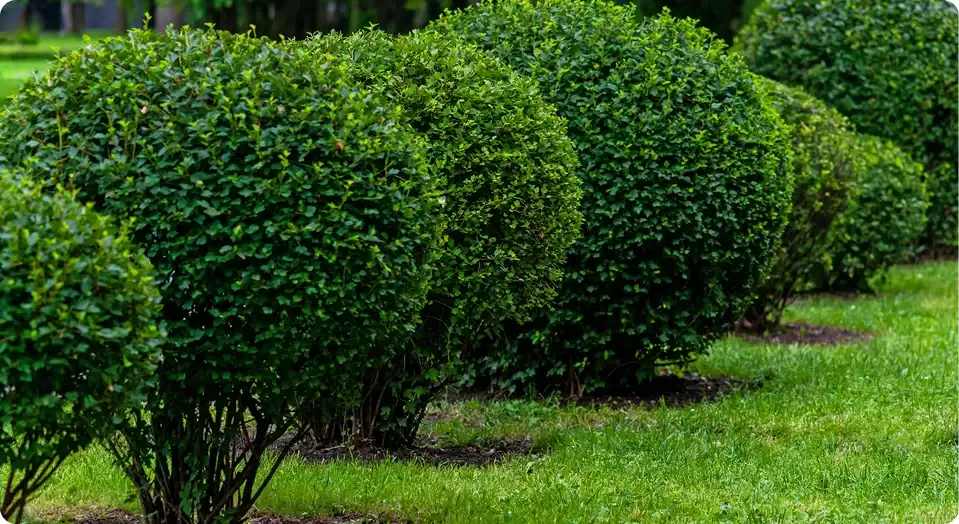
Boxwood plants are small green bushes you see in many yards. They look nice and tidy. People use them near doors, walkways, and around gardens. They stay green all year if you take care of them. But if you forget them, they can look messy and thin. In Canada, many people plant boxwoods because they stay green during cold months. Even when snow comes, the leaves still look alive. That is one big reason homeowners like them.

With simple boxwood plant care and regular boxwood care, these plants can grow for many years. Harry’s Lawn Care, known as the No.1 company in Canada, helps families keep their yards clean and neat. They offer lawn care services, yard care, and plant trimming and edging. This guide will show how to grow boxwoods and how to plant and care for them properly in Canadian weather.

What Are Boxwood Plants? 

Boxwood is also called Buxus sempervirens. It is an evergreen shrub. That means it keeps its leaves all year. The leaves are small and dark green. The plant grows thick and full.  If the roots are set properly in the soil, they usually stay strong even when the weather turns very cold. They do not grow too fast. That makes them easy to shape. Some people like plants that grow slowly because they do not need constant trimming.  

Use in Yard Care

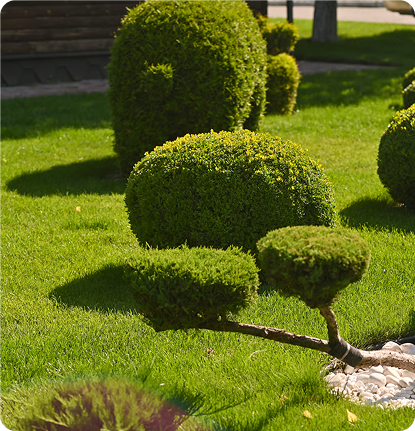
Boxwoods are often used to line walkways. They are also planted along house walls. Some homeowners shape them into round forms. Others keep them natural. In normal yard care, boxwood makes the garden look neat.  Many people like it because flowers may die, or grass growth can slow down, but the boxwood stays green throughout the year. 
What Are the Best Boxwood Varieties for Canadian Landscapes? 

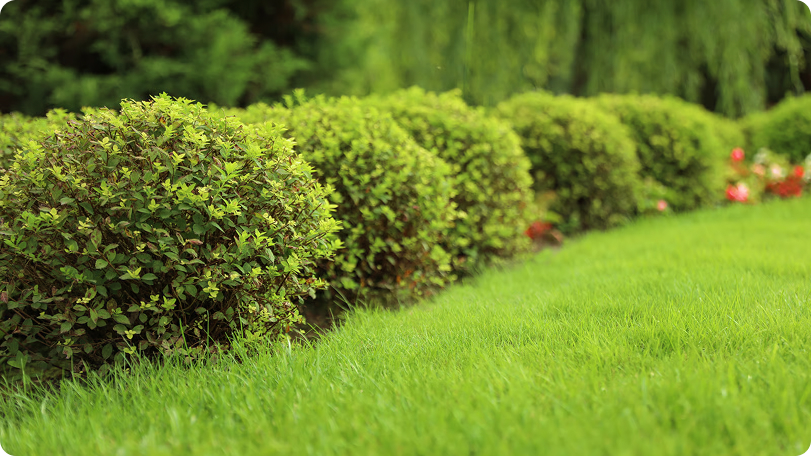
There are various varieties of boxwood shrubs in Canada. Choosing the right variety makes plant trimming and edging much easier later.

English Boxwood  

English boxwoods are small and compact. They grow slowly. This makes them good for short hedges and borders. They can handle Canadian winters if the roots are protected with mulch. They keep a nice round shape with light trimming. Many homeowners like them because they stay neat without too much effort.

American Boxwood  

American boxwoods grow taller than English ones. They are better for larger yards. Some people use them for privacy along fences. They are stronger in cold weather. That is helpful in many Canadian provinces where winters are long.

Japanese Boxwood  

Japanese boxwoods can handle heat better. They grow well in places with warm summers. They are also easy to maintain. They are a good option for homeowners who want simple boxwood care without heavy work.

Green Velvet and Winter Gem  

Green Velvet and Winter Gem stay green through winter. They are popular in Canada for that reason. They are compact and easy to shape. They work well in both small and medium yards.

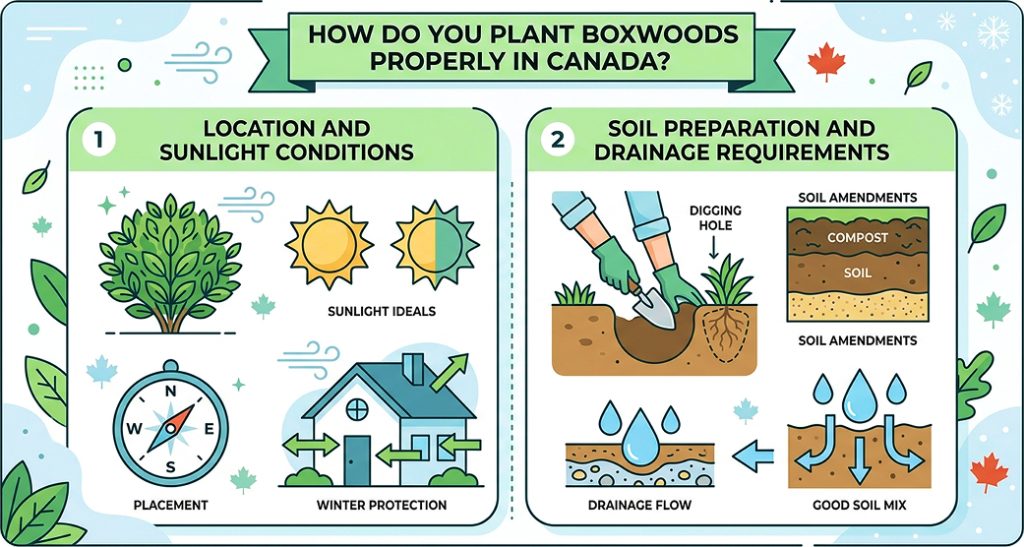
How Do You Plant Boxwoods Properly in Canada?

Location and Sunlight Conditions

Boxwoods grow best in full sun or partial shade. They need some sunlight each day. But too much harsh afternoon sun can stress them. In Canada, wind can also affect plants. It is better to plant boxwoods in a spot that is not too exposed to strong winter winds.

Soil Preparation and Drainage Requirements

Good drainage is very important. Boxwoods do not like sitting in wet soil. Too much water can damage the roots. If the soil feels heavy or sticky, mixing compost helps. The soil should feel loose. When soil drains well, boxwood plant care becomes much easier.
What Is the Step-by-Step Planting Process for Boxwoods? 

Measuring Correct Spacing

Spacing depends on how you want them to grow. For hedges, plant them about 18 to 24 inches apart. For single plants, leave more space. If plants are too close, air cannot move between them. That can cause disease later.

Digging Appropriate Hole Depth

Dig a hole as deep as the root ball. Do not plant too deeply. In Canada, deep planting can cause problems when snow melts, and water sits around roots. The hole should be wider than the root ball. This makes it easier for the roots to move out and grow in the new soil. If roots have space, the plant settles better.

Root Preparation

Before putting the plant into the hole, loosen the roots a little. Sometimes the roots are very tight inside the pot. They go around in circles. Gently open them with your fingers. This helps the roots grow into the soil instead of staying stuck in one place.

Backfilling and Firming Soil

After putting the plant in the hole, slowly put the soil back around the roots. At this stage, you have to press the soil gently with your hands. Don’t press too hard. Just press enough so the plant stays standing and does not fall. 

Deep Watering

After planting, water deeply. This helps settle the soil. It also removes air pockets. Even if the weather is cool, watering is important. Deep watering helps roots grow down instead of staying near the surface.

Proper Mulching

Add a layer of mulch around the plant. About two to three inches is enough. Mulch protects roots from cold Canadian winters. It also keeps moisture in the soil. Keep mulch a little away from the stem.

How Do You Care for Boxwood Plants in Canada? 

Watering Guidelines for Healthy Growth

Young plants need regular watering. Once they are grown, they need less water. But during dry summer weeks, watering is still needed. Too much water is a common mistake. It is wise to check the soil before watering. If it feels wet, wait. Good boxwood plant care means watching the plant closely and adjusting as needed.

Fertilization Practices

Use a light fertilizer in early spring. Do not fertilize too late in the year. Late fertilizer can cause new growth that may freeze in winter. Simple and steady feeding works best.

Pruning Techniques and Plant Trimming and Edging

Pruning helps boxwoods stay neat and full. You do not need to cut too much. Light trimming in spring and summer is usually enough. It keeps the shape nice and simple. Try not to cut too much before winter. Big cuts can make the plant weak when cold weather comes. If the boxwood is larger, small tree trimming skills can help shape it better.  

Professional Lawn Care Services and Maintenance Support

Taking help from professional lawn care companies is a wise step to get a healthy lawn with a busy schedule. Harry’s Lawn Care, the no. 1 Canadian company helps homeowners with lawn care services and small tree trimming. Their team knows how Canadian weather can change fast. They also understand different soil types. Because of that, boxwoods get the right care and can stay healthy throughout the year.

What Are Common Boxwood Problems and How Can You Fix Them?

Yellowing Leaves and Nutrient Deficiency

Yellow leaves can happen for many reasons. Too much water is common. Poor soil can also cause it. Fixing drainage and improving soil often solves the problem.

Boxwood Blight Identification and Prevention

Boxwood blight shows as brown or black spots on leaves. It spreads faster when plants are too close together. Leave space between plants. Air should move around them. This helps stop problems from starting. Always clean your tools before trimming. Dirty tools can spread disease from one plant to another.

Root Rot and Drainage Problems

Root rot starts when the roots stay wet for too long. Too much water is not good. When roots sit in water, they begin to decay. If this continues, the plant can die. The best prevention is proper planting depth and good drainage.

How Should You Care for Boxwoods in Each Season in Canada?

Spring Maintenance Tasks

In spring, check for winter damage. Trim off dry tips. Add light fertilizer if needed. This is also a good time to shape the plant gently.

Summer Care Practices

Watch for dry soil in summer. Water when needed. Do not let the soil become too dry. Light trimming can keep the shape neat.

Fall Preparation and Light Trimming

In the fall, do light trimming only. Heavy pruning can hurt the plant before winter. Add mulch if needed to protect roots.

Winter Protection Measures

Cold wind can dry out leaves. Mulch protects roots from deep freezing. Simple steps in the fall can help boxwoods survive the Canadian winter safely.

Conclusion

Boxwoods are evergreen plants. They do not demand attention. But they make a yard look complete. With steady boxwood care, proper watering, and simple trimming, they stay strong for years. Some homeowners enjoy doing all the work themselves. Others feel more comfortable calling experienced professionals such as Harry’s Lawn Care for support. With the right yard care and plant trimming and edging, boxwoods continue to shape Canadian gardens season after season.

How do I protect boxwoods in winter?

Put mulch around the roots. Keep mulch away from stems. If the wind is strong, use a small shield.

Why are my boxwood leaves turning yellow?

Yellow leaves happen if there is too much water or bad soil. To solve this issue, fix the soil and check the water.