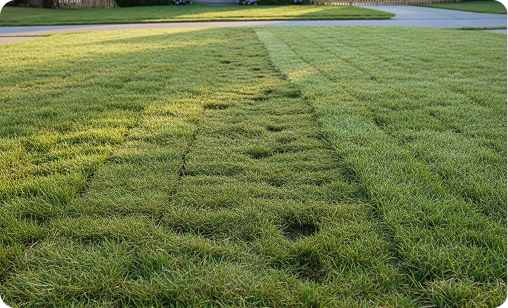
Sod is often chosen because it gives fast green grass. Even then, many sod lawns do not grow the way people expect. In most cases, the sod itself is fine. The trouble usually starts with small mistakes made during installation or early care. These mistakes may seem minor at first. Problems with sod do not always show right away.Β
Grass may look good for a short time. Later, growth becomes uneven. Roots stay weak. Some areas thin out. When these signs appear, fixing them takes more effort. Understanding common mistakes helps reduce long-term damage. Sod needs proper ground, steady water, and time to settle. When these basics are missed, the lawn struggles.
Planning to Install Sod? Get It Right the First Time
Avoid costly installation mistakes with expert guidance tailored to your lawn and soil.
10 Mistakes to Avoid During Sod Installation and Maintenance
The following are the 10 mistakes that people commonly make during sod installation and maintenance. You should avoid these problems to get a lush green lawn.
Skipping Ground Preparation
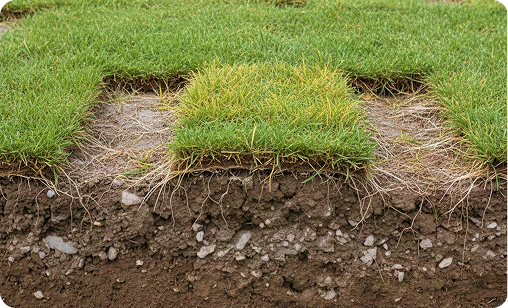
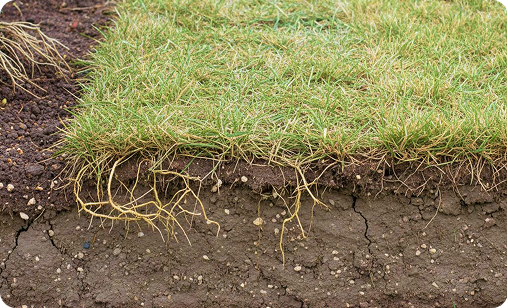
Many sod problems begin below the surface. The ground may look flat and clean. Because of this, preparation is often rushed or skipped. In real settings, soil can be packed down or uneven. Hard soil makes it difficult for roots to grow downward. Instead, roots stay near the surface. This causes weak attachment and poor growth.Β
Over time, the ground may sink in some spots. When soil is not leveled well, seams between sod pieces stay visible. These areas dry faster than others. Proper ground preparation helps avoid these issues later.
Using Poor or Hard Soil
Soil quality affects sod more than many people expect. Even with regular watering, sod may struggle if the soil is weak. Grass may turn pale or grow slowly. These problems usually do not happen overnight. Changes appear slowly. Many assume the issue is water or disease. Often, the real cause is the soil itself. Roots may not be able to take nutrients from the ground. Without improving soil conditions, lawn care efforts show little effect. Healthy soil supports steady growth.
Moisture Conditions Before Laying Sod
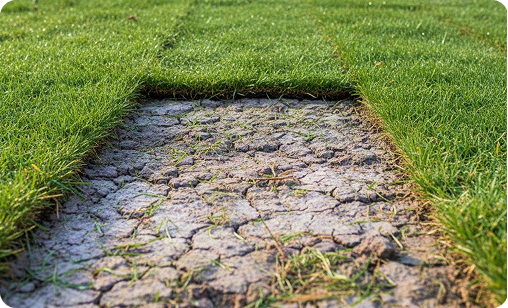
Soil moisture at installation time matters a lot. If soil is dry, sod roots cannot reach water easily. This slows down early root growth. Even if watering starts right away, dry soil can delay bonding. Roots may stay shallow for longer than expected. This weakens the sod. Hard or packed soil creates similar trouble. Water stays on top or runs off. Roots fail to grow deep. Sod may lift easily near edges.
Leaving Gaps Between Sod Pieces
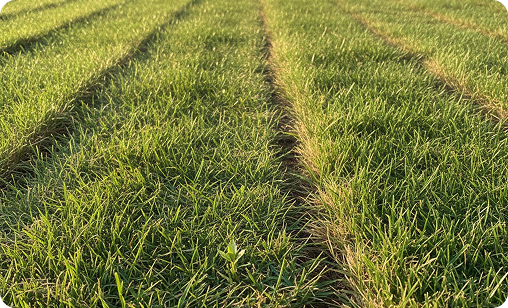
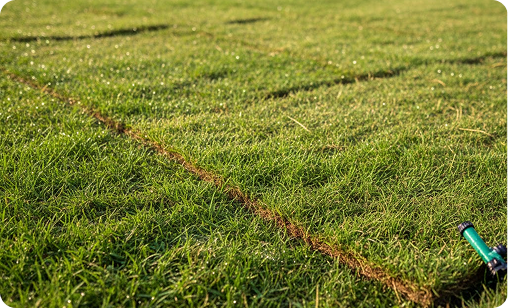
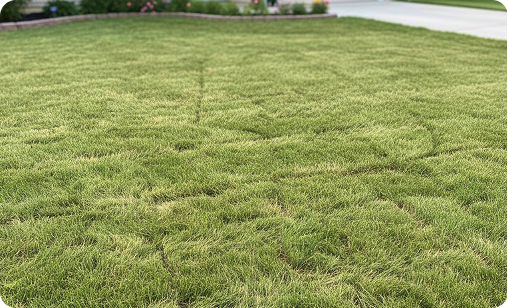
Sod pieces should be placed close together. Gaps often form when sod is laid too quickly. These open spaces dry faster than the rest of the lawn. Weeds grow easily in these dry gaps. Once weeds take hold, they are hard to remove without damage. This leads to uneven growth. Poor alignment also causes lasting marks. Straight seams and loose edges often remain visible. Heat and dry weather make these lines stand out more.
Watering Problems
Watering mistakes are very common with new sod. Too little water stops roots from growing into the soil. Too much water limits air below the surface. In some cases, grass looks healthy on top. Below the ground, roots remain weak. This creates a false sense of success. When sod later declines, watering habits are often blamed. Early watering patterns usually play a large role in these problems.
Not Sure If Your Sod Was Installed Correctly?
Small issues early on can lead to major lawn problems later. A quick professional check can save months of recovery.
Inconsistent Watering
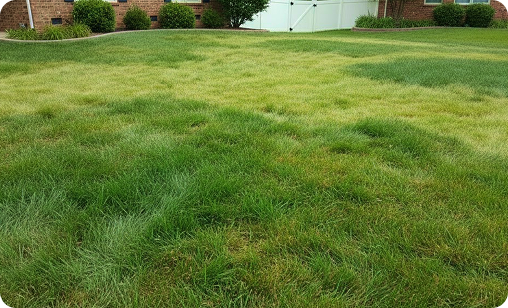
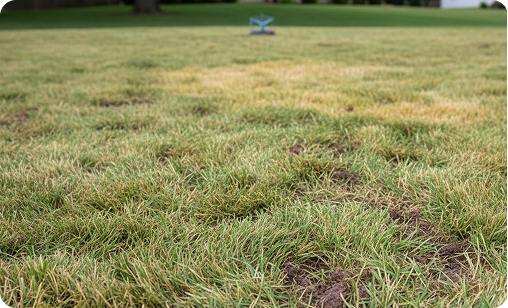
Water must reach all parts of the lawn evenly. In many yards, some areas get more water than others. This often happens due to uneven sprinklers. At first, these differences are hard to notice. Over time, color changes appear. Some areas stay green. Others turn dry. Uneven watering leads to weak spots. Grass density changes. The lawn looks patchy and uneven as growth continues.
Walking on Sod Before Roots Grow
New sod looks firm but is not fully settled. Walking on it too soon can shift sod pieces. Pets and heavy items press the soil down. Early use disturbs root growth. Soil becomes compacted. Roots struggle to spread. Damage caused early often shows later. Some areas sink. Grass thins. High-use spots show problems first.
Mowing Sod Too Early
Mowing is sometimes done too early. Roots may not be strong enough to handle the stress. Cutting grass at this stage slows growth. Mower wheels can move sod pieces. Soft soil becomes compacted. Uneven cuts appear. Even if the grass recovers in looks, early mowing affects strength. The lawn may stay thin longer than expected.
Irrigation Systems Not Checked Before Installation
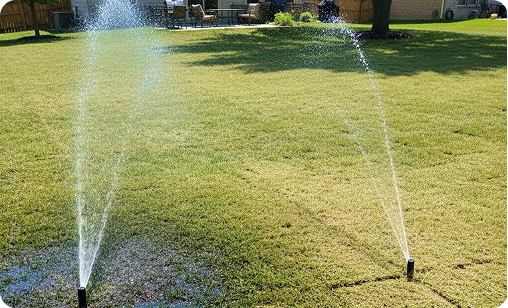
Sprinkler systems are often left unchecked. Some heads may spray too far. Others may not work at all. Water misses certain areas. These issues usually appear after sod shows stress. By then, damage may already be present. Even water coverage helps sod settle evenly. Checking irrigation early prevents future problems.
Maintenance Issues
After sod begins to root, care routines often change fast. Watering may stop too soon. Mowing height may drop suddenly. New sod needs steady care. Sudden changes stress the grass. Growth slows. These effects may not show right away. Over time, grass becomes thin. Recovery takes longer.
New Sod Needs the Right Care to Thrive
Consistent maintenance makes the difference between short-term green and long-term health.
Conclusion
Sod success depends on many small actions. Most failures are not caused by one big mistake. They come from small problems that build up. Soil condition, water habits, early use, and steady care all matter. When these are handled with patience, sod grows better. Avoiding common mistakes does not promise perfect grass. It does lower the risk of lasting damage. With proper care, sod can grow strong and even. Professionals at Harryβs Lawn Care guide people to avoid any mistakes in sod installation and maintenance.
Frequently Asked Questions
1.
Why does sod look good at first but get worse later?
New sod can look green on top even when the roots are weak. The grass hides problems at first. Under the ground, roots may not be growing well. After some time, stress from heat or mowing shows the damage. Early soil or water problems are often the cause.
2.
How long does sod take to root in the soil?
Sod does not root at the same speed everywhere. Weather, soil, and water all matter. In many lawns, roots start to grow after a few weeks. Full rooting takes more time. During this period, the sod still needs care and light use only.
3.
Can sod fail even if it is watered every day?
Yes, this can happen. Watering every day does not always help. Too much water keeps the soil wet. Roots need air as well as water. When soil stays soaked, roots stay shallow and weak.
4.
Is it normal for sod seams to stay visible?
Yes, seams can stay visible for some time. This happens when sod pieces are not placed tightly or the soil settles later. Dry weather makes seams easier to see. Once the seams dry out, fixing them is harder.
5.
When can the lawn be used normally after sod is installed?
New sod needs time before regular use. Walking on it too soon can cause damage. Roots need several weeks to grow strong. Waiting longer helps the lawn handle foot traffic later. This patience helps avoid weak spots.
Still Have Questions About Your Sod Lawn?
Every lawn is different. Get personalized advice based on your soil, climate, and goals.